
Trail Running Shoes for Steep Inclines
Showing 68 results
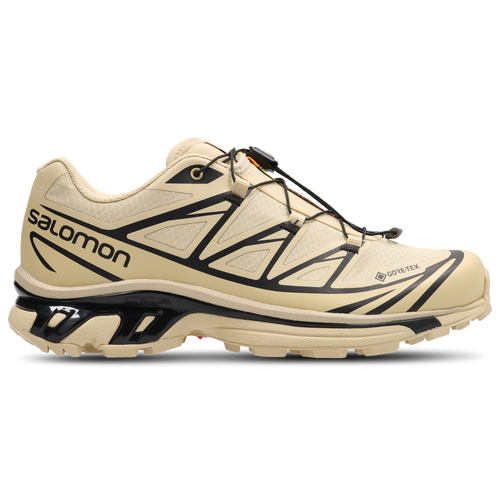
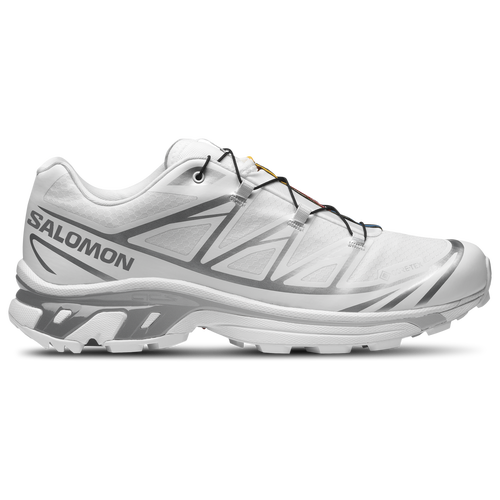
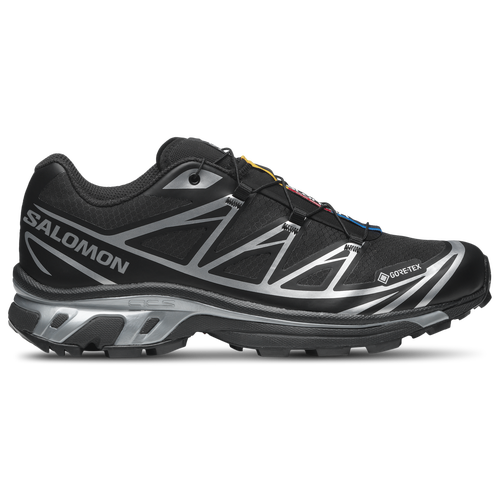
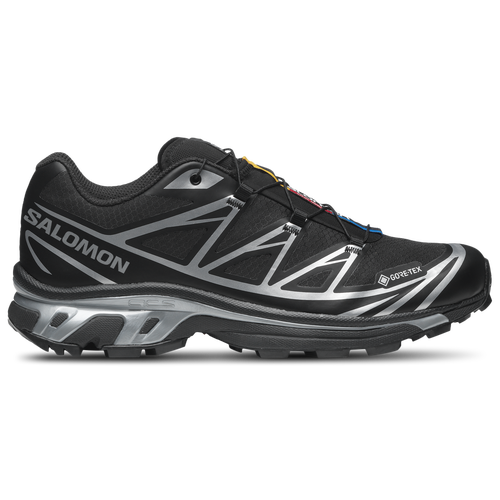
Our Trail Running Shoes for Steep Inclines sold out quickly! Explore similar styles now!
Search Results
On this page...
- What features should I look for in trail running shoes for steep inclines?
- Are trail running shoes for steep inclines waterproof?
- How do I know if trail running shoes fit properly for steep inclines?
- What is the difference between trail running shoes and regular running shoes for steep inclines?
- Can I use trail running shoes for steep inclines on flat surfaces?
- What type of cushioning is best for trail running shoes on steep inclines?
- Are there specific trail running shoes designed for downhill running on steep inclines?
- How much do trail running shoes for steep inclines typically weigh?
- When should I replace my trail running shoes for steep inclines?
- What is the best way to clean trail running shoes after running on steep inclines?
Frequently Asked Questions For Trail Running Shoes for Steep Inclines
When selecting trail running shoes for steep inclines, prioritize features such as aggressive traction, a supportive midsole, and a secure fit. Look for outsoles with deep lugs for enhanced grip on uneven terrain, as well as cushioning that provides stability without sacrificing responsiveness. A breathable upper material can also help keep your feet comfortable during intense runs.
Many trail running shoes designed for steep inclines come with waterproof features, such as Gore-Tex linings or water-resistant materials. However, not all models are waterproof, so it's essential to check the product specifications if you plan to run in wet conditions. Breathable options are also available for those who prefer moisture-wicking capabilities.
A proper fit for trail running shoes should allow about a thumb's width of space between your longest toe and the front of the shoe. The heel should feel snug without slipping, and the midfoot should be secure to prevent any lateral movement. It's advisable to try on shoes with the socks you plan to wear during your runs to ensure the best fit.
Trail running shoes are specifically designed for off-road conditions, featuring rugged outsoles for traction, reinforced toe caps for protection, and often a more durable upper material. In contrast, regular running shoes are optimized for pavement and may lack the necessary grip and support for steep, uneven terrain.
Yes, you can use trail running shoes on flat surfaces, but they may feel less cushioned and more rigid compared to road running shoes. The aggressive tread pattern may not provide the best traction on smooth surfaces, but they can still offer good support and stability for casual runs on pavement.
For steep inclines, look for trail running shoes that offer a balance of cushioning and responsiveness. A firmer midsole can provide better stability on uneven ground, while adequate cushioning helps absorb impact during descents. Some models feature a combination of foam and gel technologies to enhance comfort without compromising performance.
Yes, some trail running shoes are specifically engineered for downhill running, featuring a lower drop and more aggressive traction patterns to enhance grip and control. These shoes often have additional cushioning to absorb impact and provide stability during descents, making them ideal for steep terrain.
The weight of trail running shoes for steep inclines can vary widely, but they generally range from 8 to 12 ounces per shoe. Lighter models are designed for speed and agility, while heavier options may offer more cushioning and protection. It's important to choose a weight that aligns with your running style and preferences.
Trail running shoes should typically be replaced every 300 to 500 miles, depending on the terrain and frequency of use. Signs of wear, such as worn-out treads, decreased cushioning, or visible damage to the upper, indicate that it's time for a new pair. Regularly inspecting your shoes can help ensure optimal performance and safety.
To clean trail running shoes, first remove any loose dirt and debris with a soft brush or cloth. Use a mild soap mixed with water to gently scrub the upper and outsole, avoiding harsh chemicals that could damage the materials. Allow the shoes to air dry away from direct sunlight or heat sources to maintain their shape and integrity.
About Trail Running Shoes for Steep Inclines
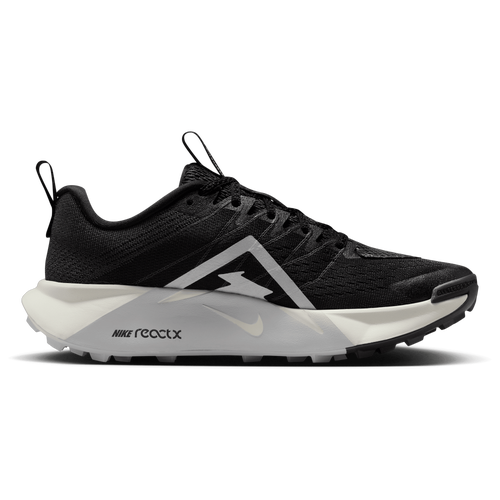
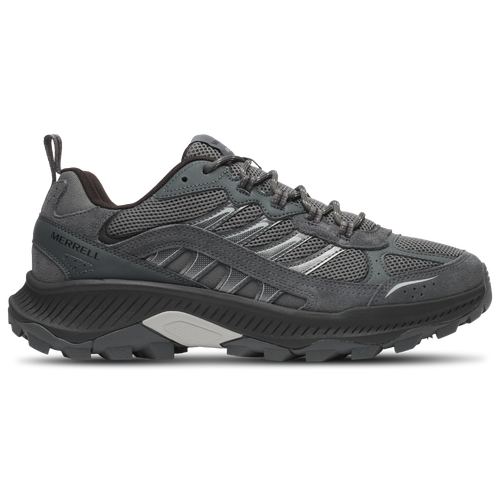
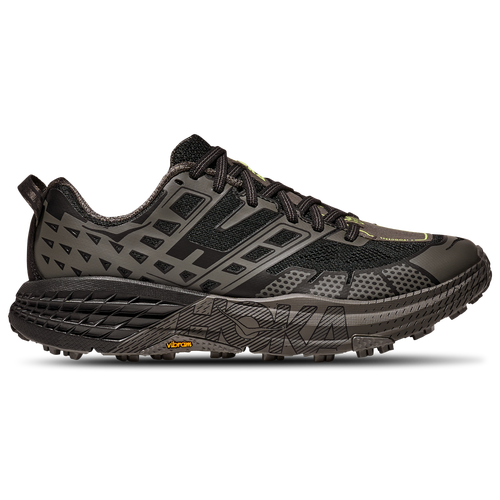
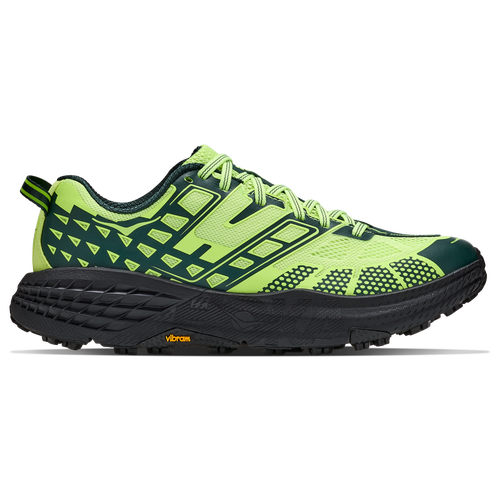
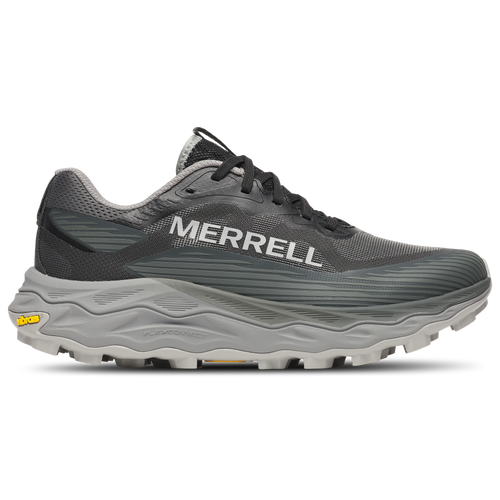
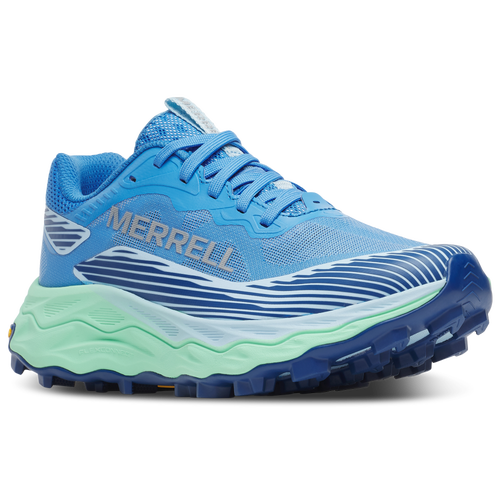
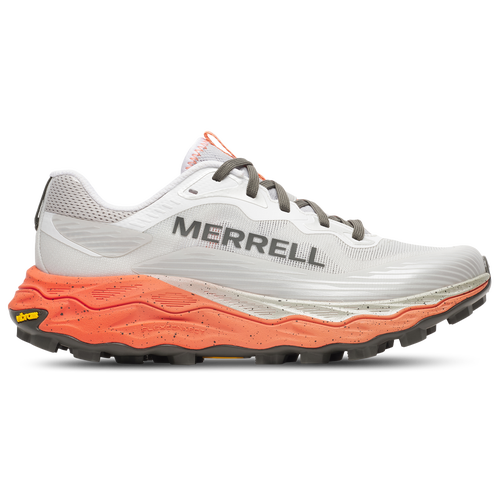
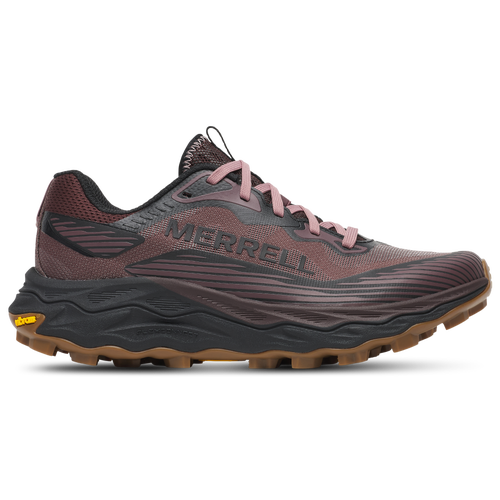
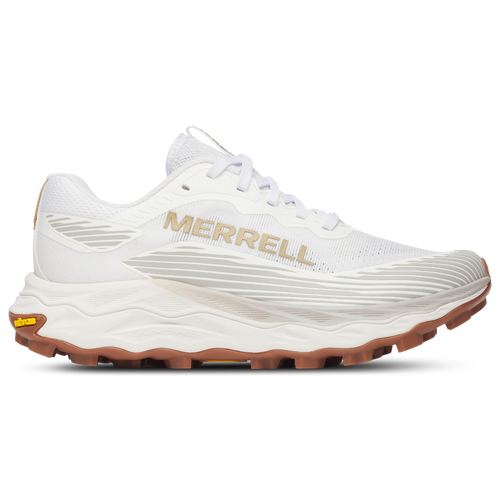
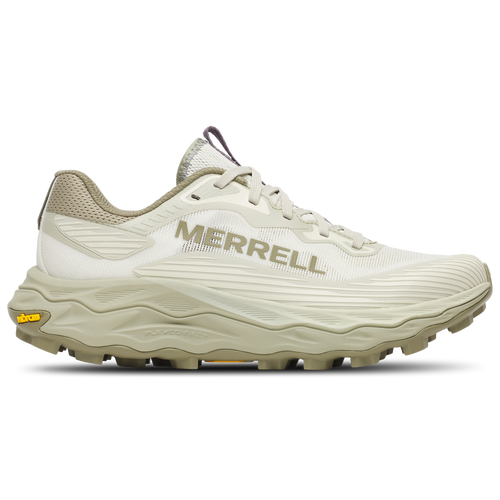
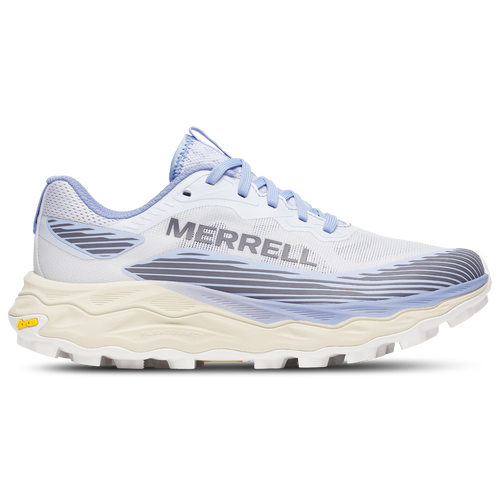
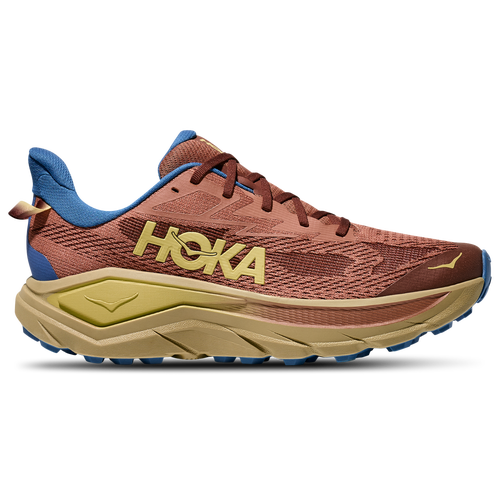
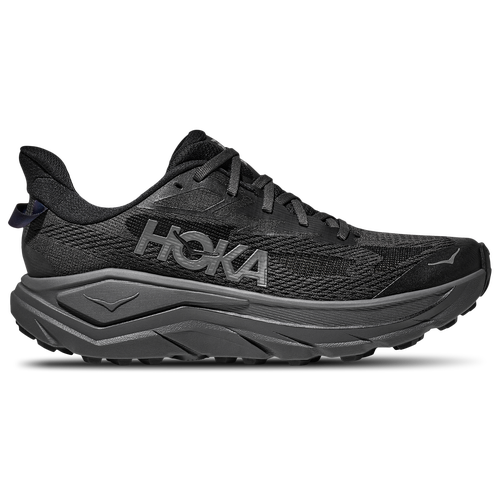
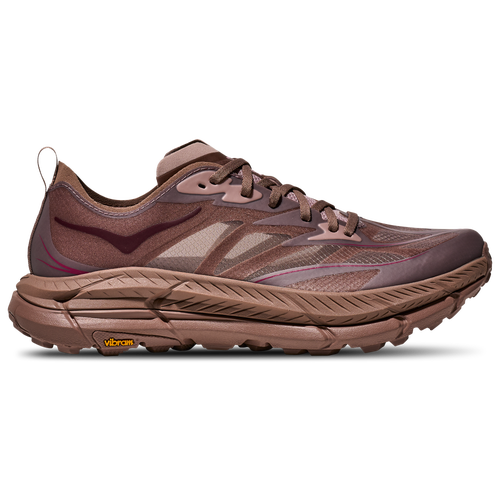
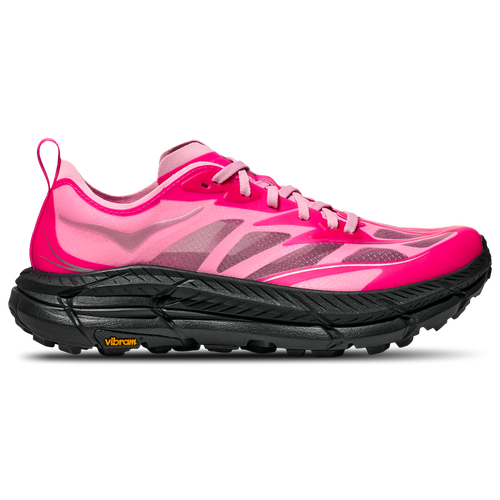
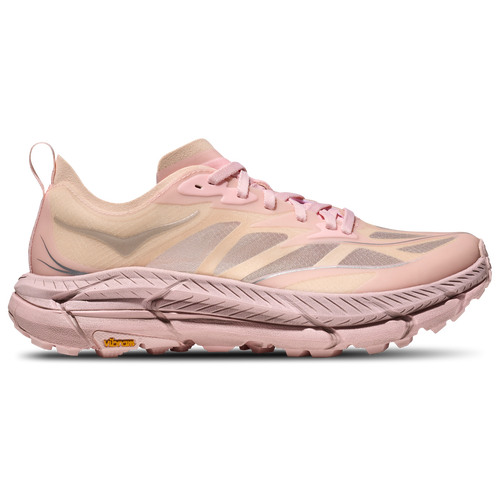
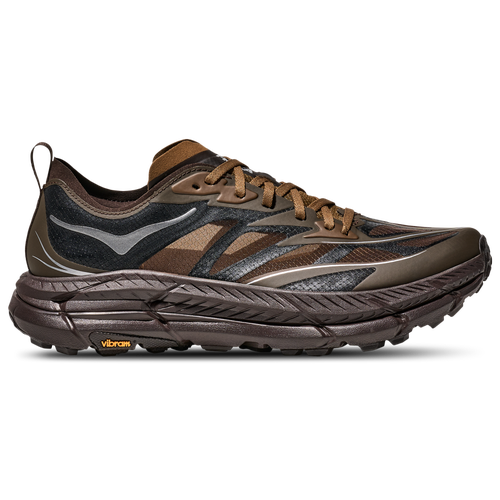
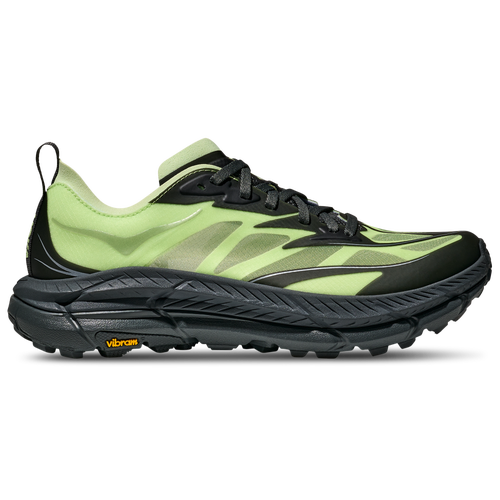
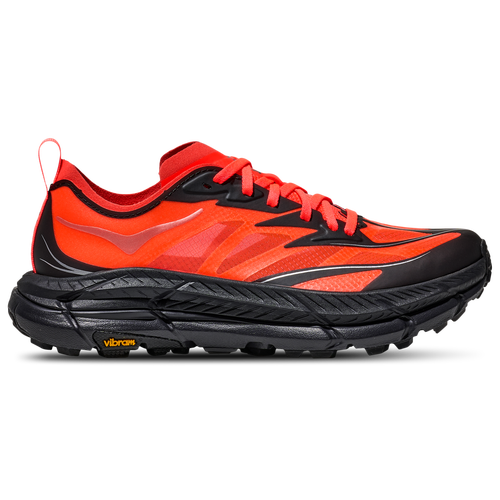
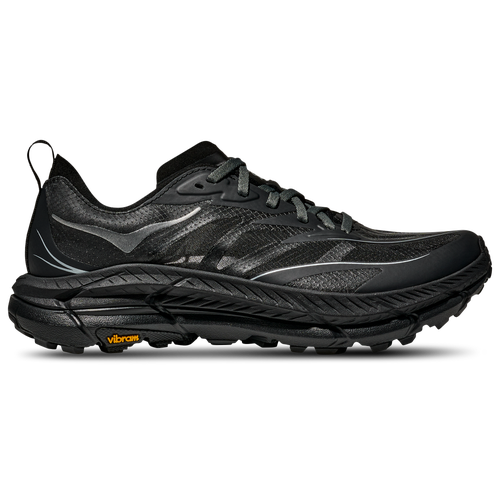
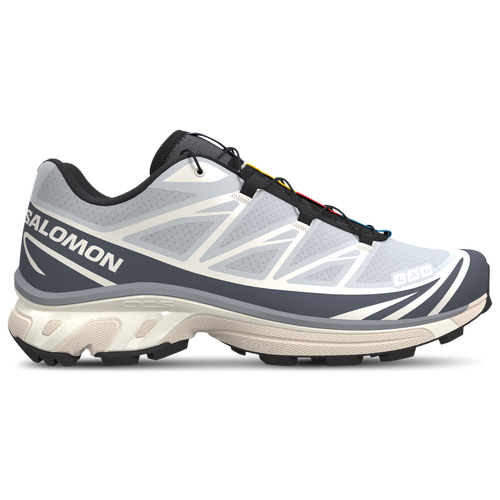
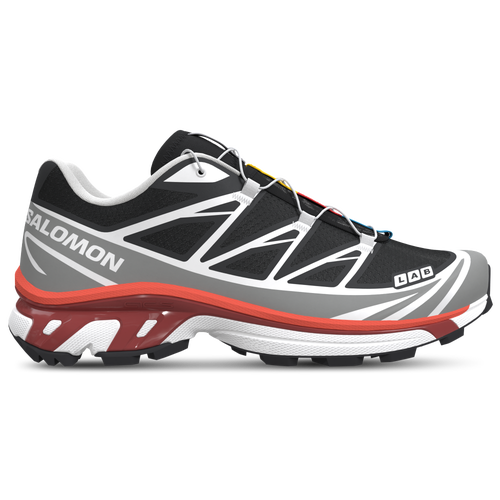
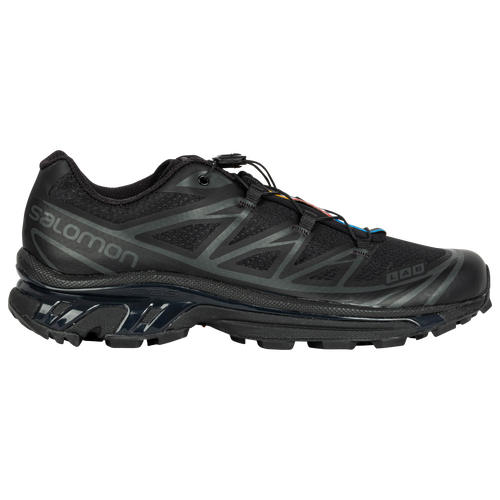
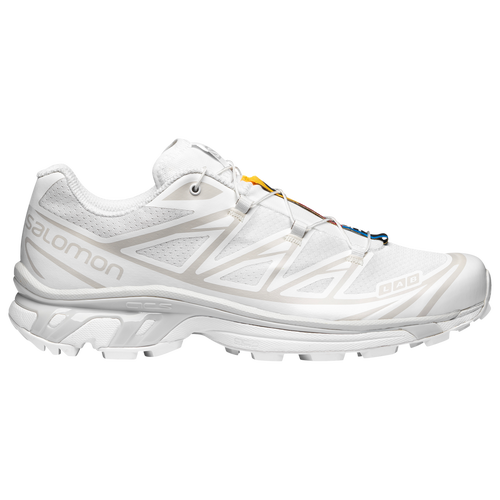
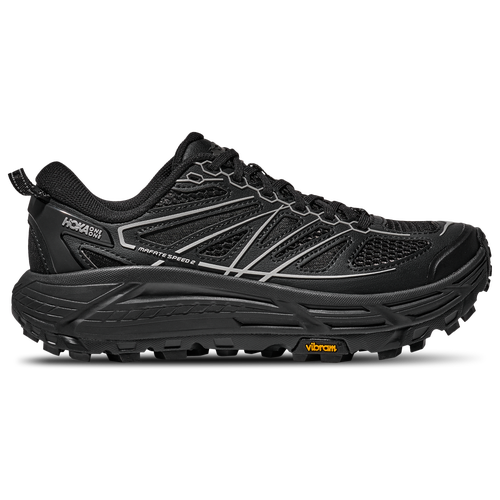
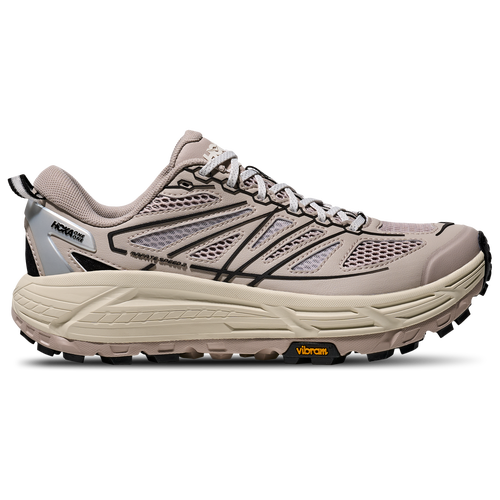
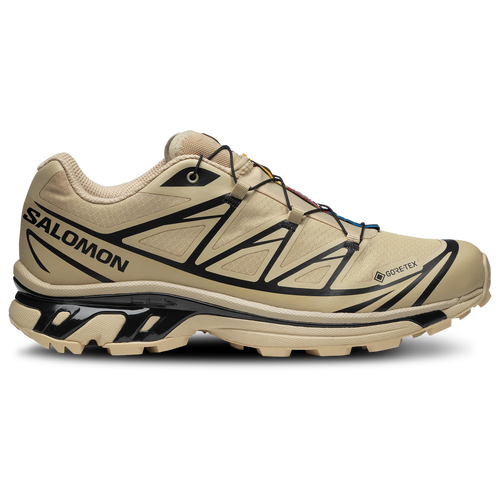
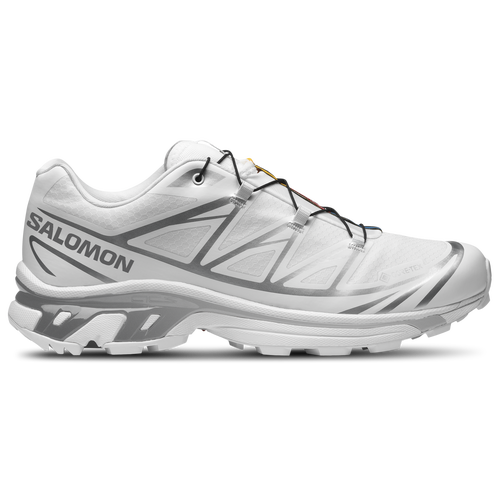
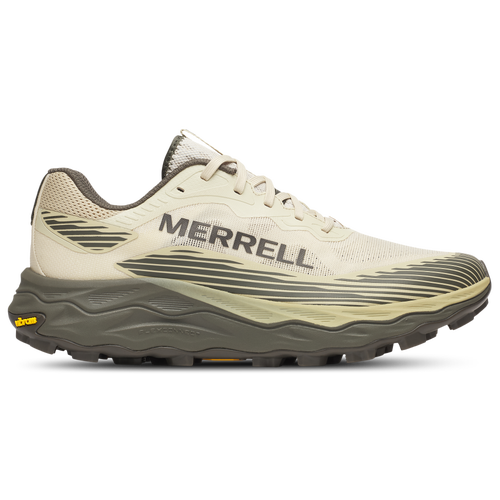
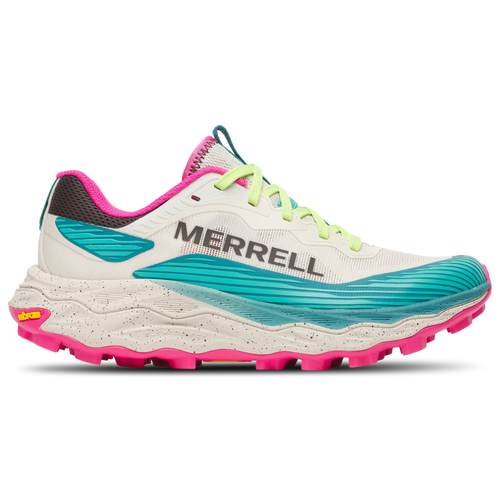
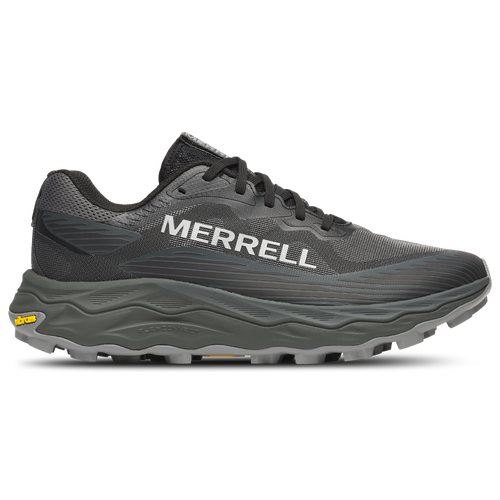
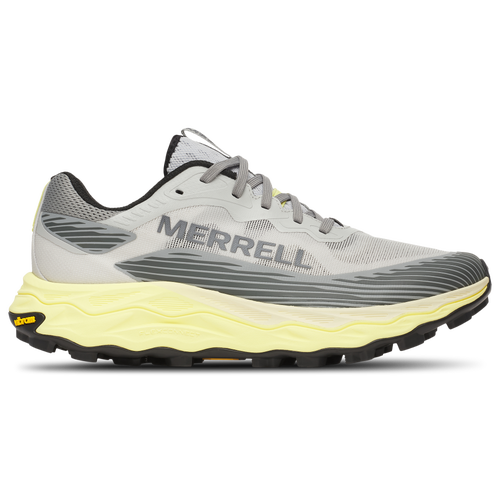
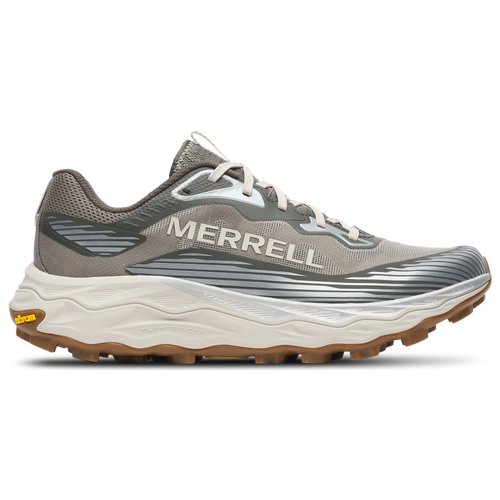
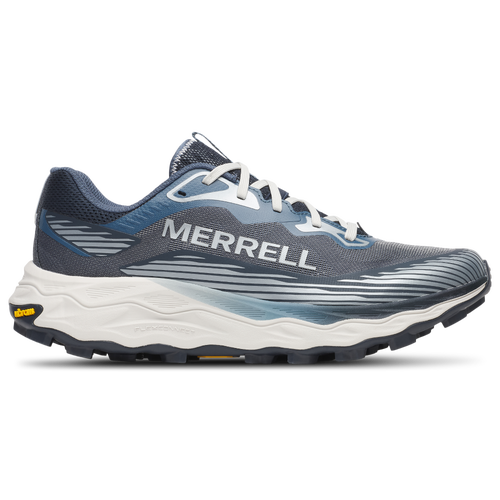
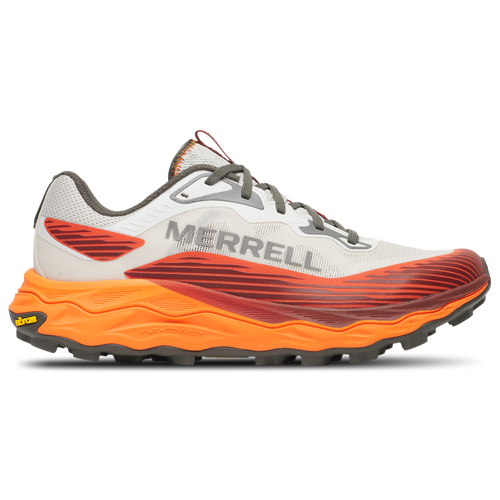
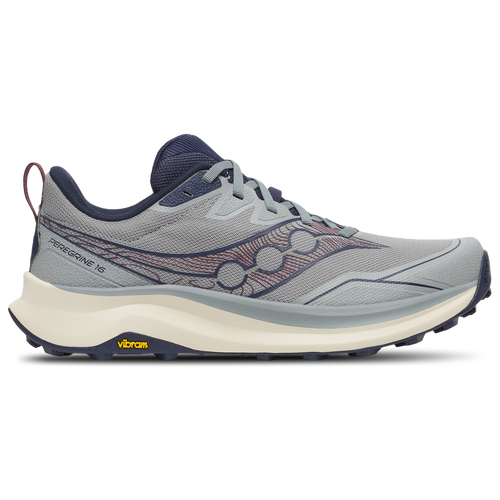
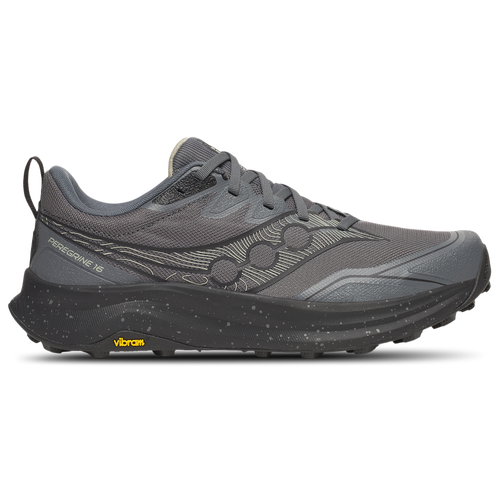
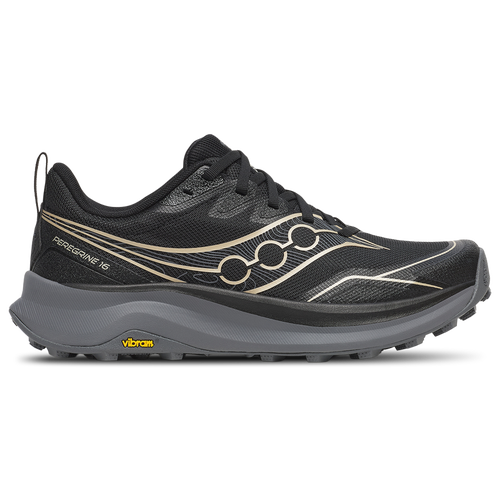
Conquer challenging terrains with our collection of trail running shoes designed specifically for steep inclines. Engineered for stability and traction, these shoes feature aggressive outsoles that grip various surfaces, ensuring you stay secure on your feet. Lightweight yet durable, they provide the support needed for uphill climbs while maintaining comfort for long-distance runs.
Our selection includes shoes with responsive cushioning and breathable materials, allowing for optimal performance in demanding conditions. Whether you're navigating rocky paths or muddy trails, these shoes are built to enhance your agility and confidence. Elevate your trail running experience and tackle every incline with ease.