
Jackets To Wear In Snow
Showing 3 results
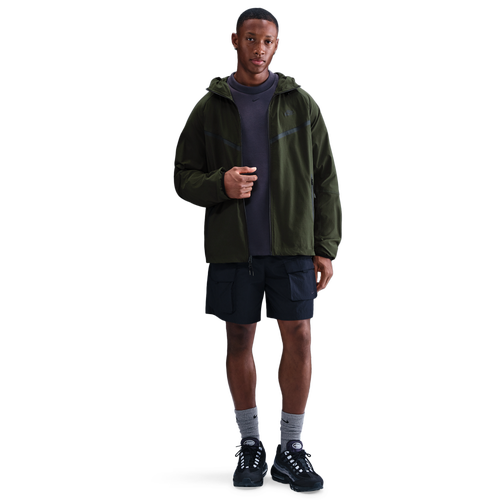
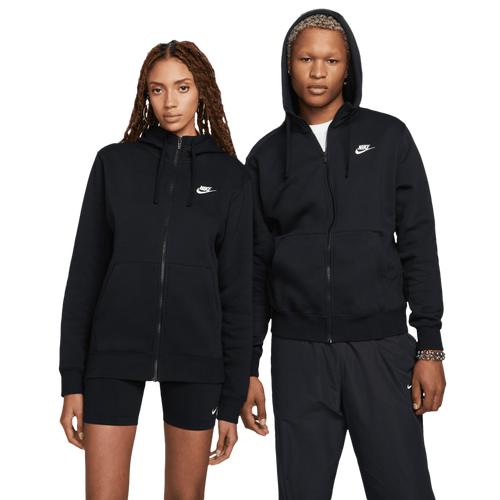
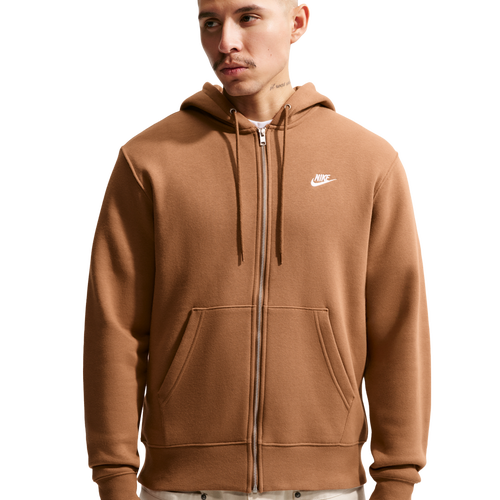
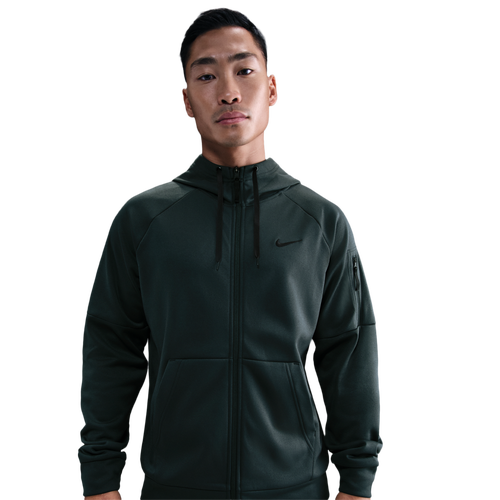
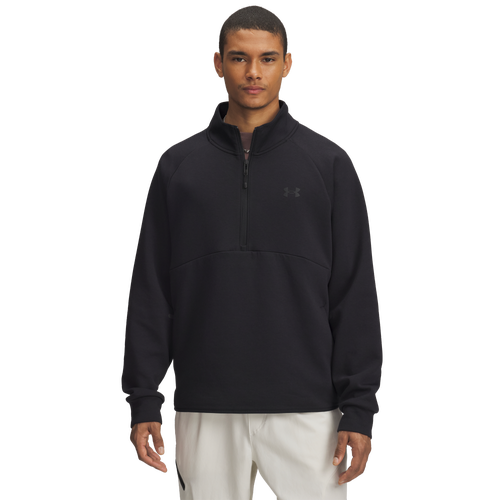
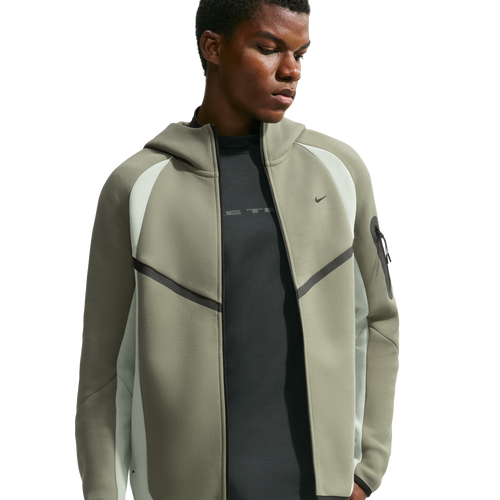
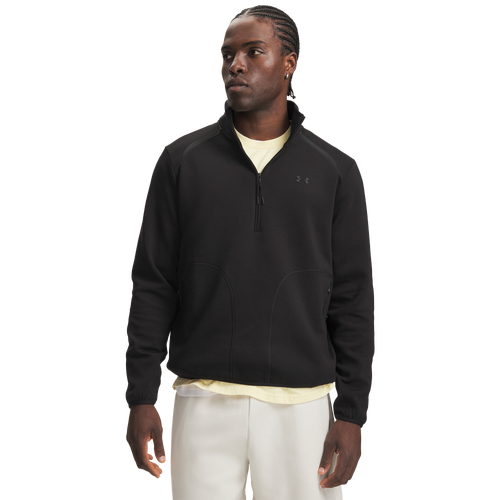
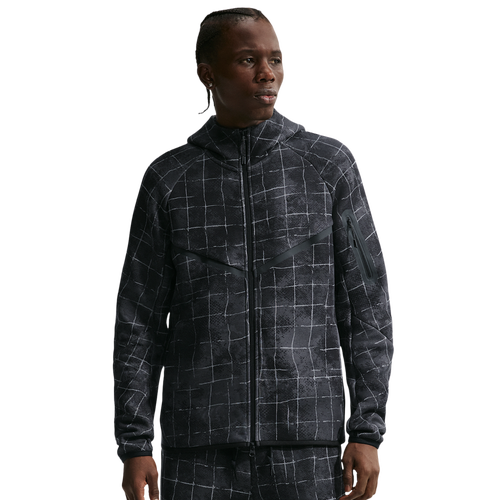
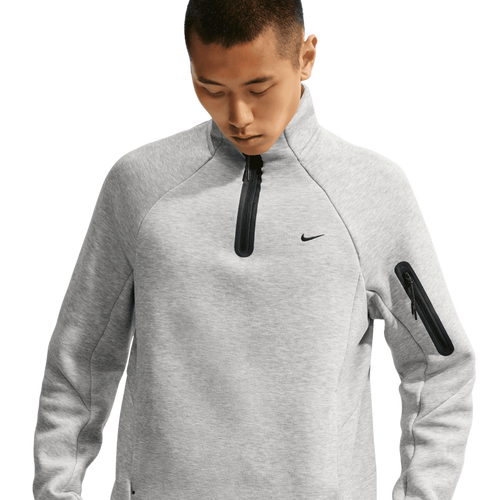
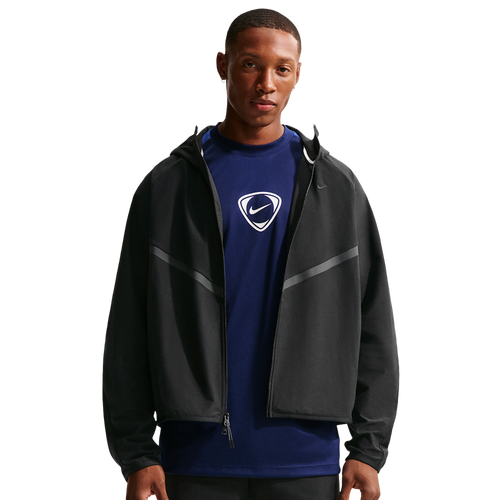
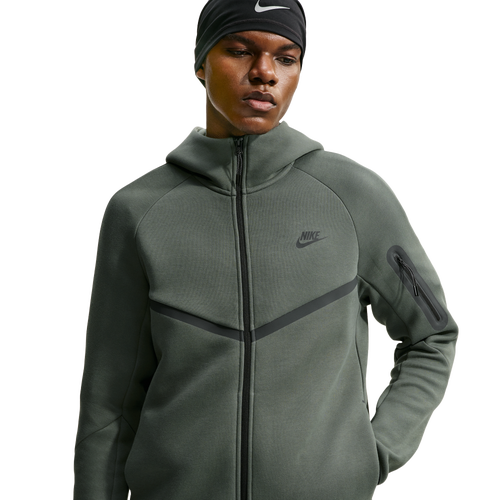
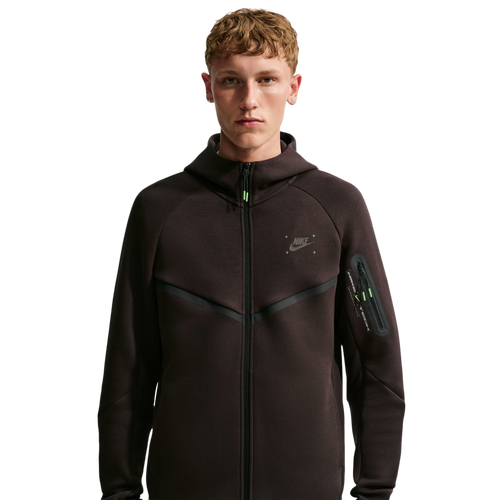
Our Jackets To Wear In Snow sold out quickly! Explore similar styles now!
Search Results
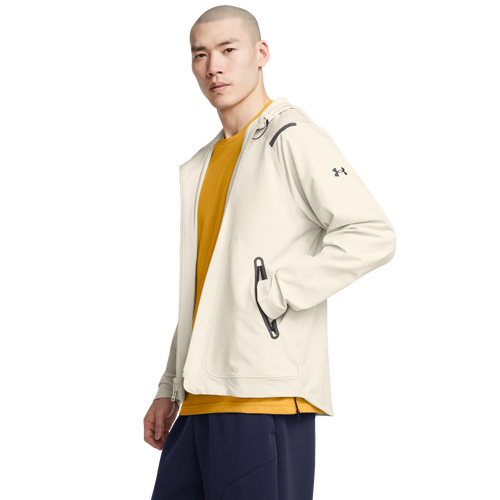
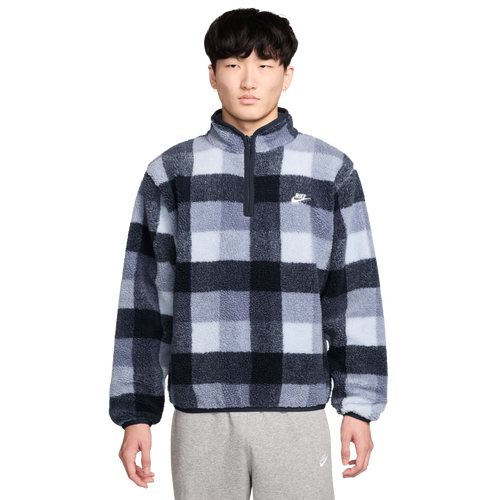
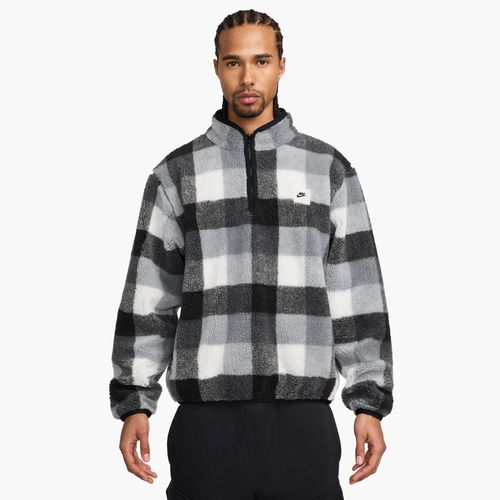
You May Also Like
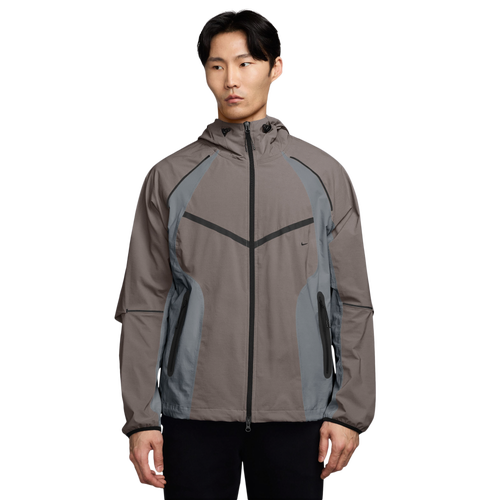
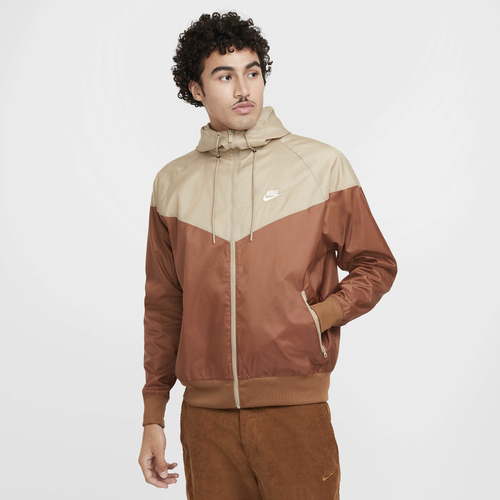
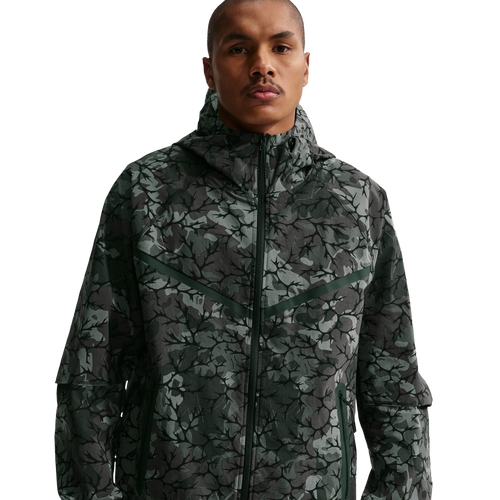
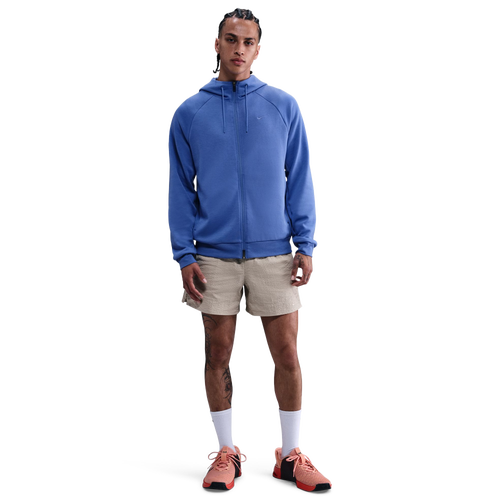
On this page...
- What features should I look for in jackets to wear in snow?
- Are insulated jackets suitable for extreme cold?
- How do I choose the right size for a snow jacket?
- Are there jackets specifically designed for snow sports?
- What materials are best for jackets to wear in snow?
- Can I wear a regular winter jacket in the snow?
- How do I care for my snow jacket?
- Are there lightweight options for jackets to wear in snow?
- What is the difference between waterproof and water-resistant jackets?
- How do I know if a jacket is breathable?
- Are there jackets with built-in hoods for snow protection?
- When is the best time to buy jackets for snow?
Frequently Asked Questions For Jackets To Wear In Snow
When selecting jackets for snowy conditions, look for features such as waterproof or water-resistant materials, insulation for warmth, and a breathable fabric to prevent moisture buildup. Additionally, consider jackets with adjustable hoods, cuffs, and hems to keep snow out and enhance comfort.
Yes, insulated jackets are designed to provide warmth in extreme cold conditions. They typically use materials like down or synthetic insulation to trap heat, making them ideal for snowy environments. Pairing them with layering options can further enhance warmth and comfort.
To choose the right size for a snow jacket, refer to the sizing chart provided by the retailer, which typically includes measurements for chest, waist, and hips. It’s also important to consider the fit; a slightly looser fit allows for layering underneath without compromising mobility.
Yes, there are jackets specifically designed for snow sports that feature additional elements such as reinforced seams, snow skirts, and ventilation zippers. These jackets are tailored for activities like skiing and snowboarding, providing both functionality and protection against the elements.
The best materials for jackets to wear in snow include waterproof fabrics like Gore-Tex or similar technologies that keep moisture out while allowing breathability. Insulation materials such as down or synthetic fibers are also essential for retaining warmth in cold temperatures.
While a regular winter jacket may provide some warmth, it may not be suitable for snowy conditions if it lacks waterproofing or insulation. For optimal protection and comfort, it’s best to choose a jacket specifically designed for snow, which offers enhanced features for cold and wet weather.
To care for your snow jacket, follow the manufacturer's washing instructions, typically involving a gentle cycle with cold water. Avoid using fabric softeners, as they can affect the jacket's waterproofing. Regularly check and reapply any water-repellent treatments to maintain performance.
Yes, there are lightweight jackets designed for snow that offer insulation without the bulk. These jackets often utilize advanced materials that provide warmth while remaining easy to pack and carry, making them ideal for travel or layering in changing weather conditions.
Waterproof jackets are designed to keep you completely dry in heavy rain or snow, featuring sealed seams and specialized materials. Water-resistant jackets can repel light moisture but may not withstand prolonged exposure to wet conditions, making them less suitable for heavy snowfall.
A jacket's breathability is often indicated by its material specifications, which may include a moisture-wicking lining or ventilation features such as mesh panels or pit zips. Breathable jackets allow sweat to escape while keeping you dry and comfortable during physical activities in the snow.
Yes, many jackets designed for snowy conditions come with built-in hoods that provide additional protection against wind and snow. Look for adjustable hoods that can be tightened for a secure fit, ensuring that your head and neck remain warm and shielded from the elements.
The best time to buy jackets for snow is typically during the fall and early winter months when retailers stock their winter collections. Shopping during sales events or off-season can also provide opportunities for discounts on high-quality jackets.
About Jackets to Wear in Snow
Stay warm and stylish this winter with our collection of jackets designed specifically for snowy conditions. These jackets feature advanced insulation and weather-resistant materials, ensuring you remain cozy while braving the elements. With a variety of styles and fits, you can find the perfect jacket to match your outdoor adventures.
Equipped with functional details like adjustable hoods, secure pockets, and breathable fabrics, our jackets provide both comfort and practicality. Whether you're hitting the slopes or enjoying a winter stroll, these jackets are your go-to choice for protection against the cold and snow. Embrace the winter season with confidence and style!