
Race Marathon Shoes
Showing 1 - 48 of 121 results
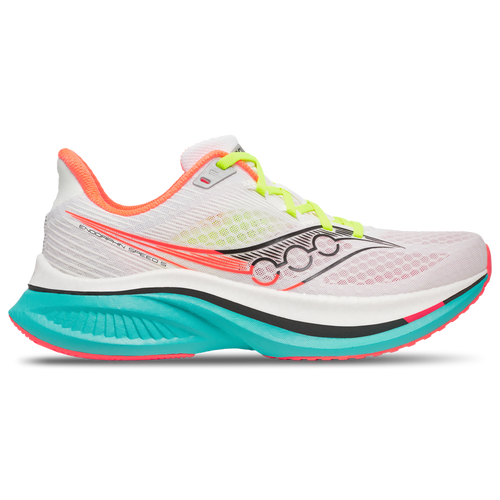
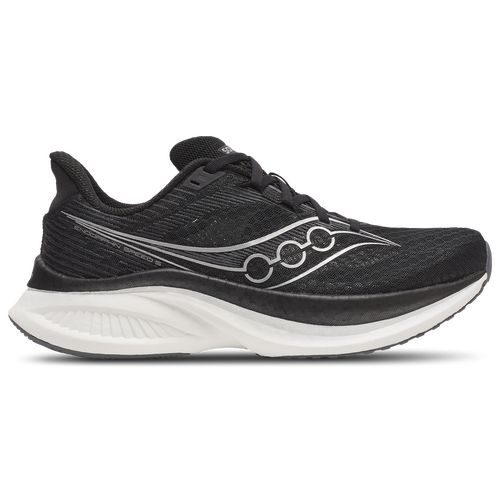
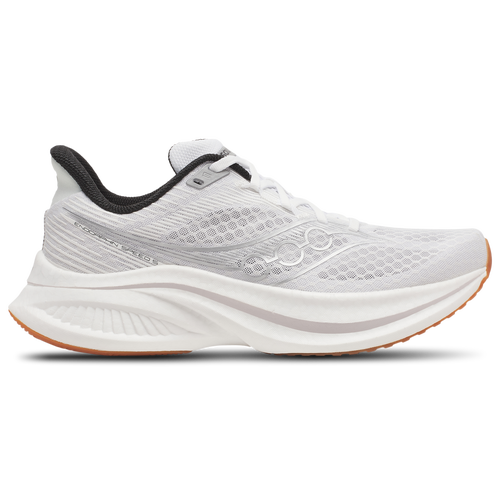
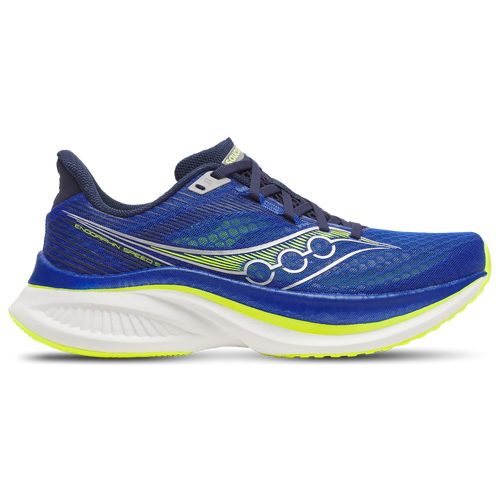
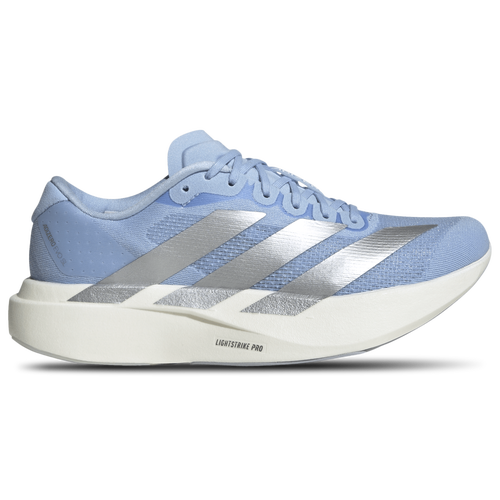
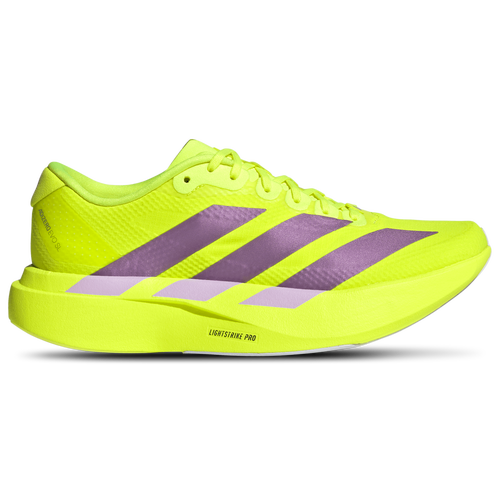
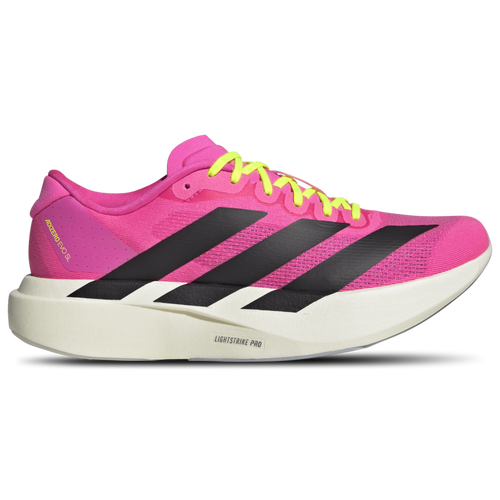
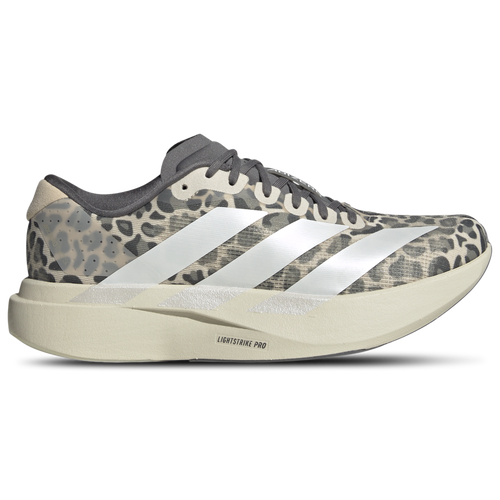
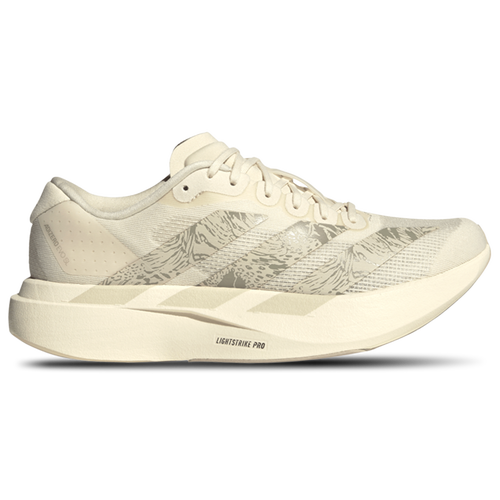
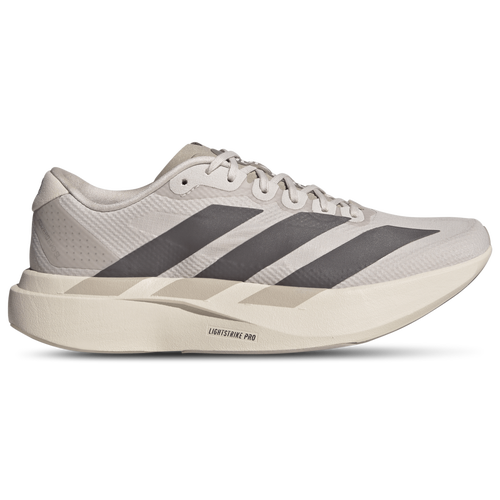
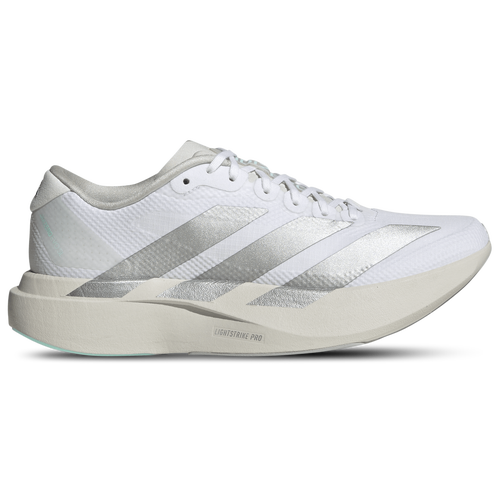
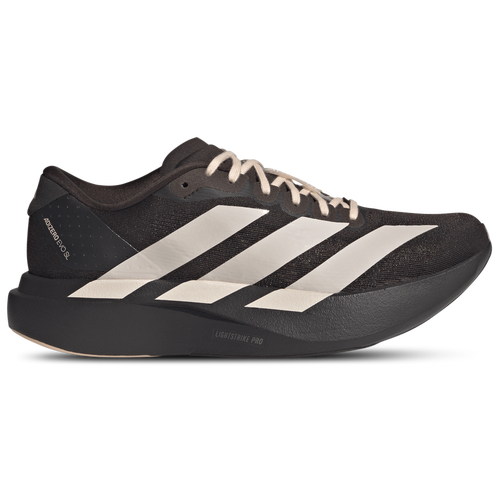
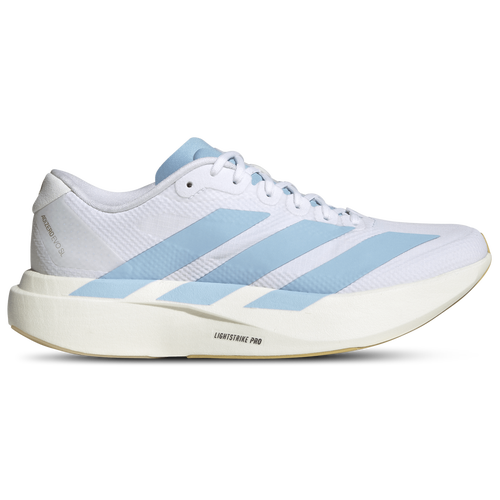
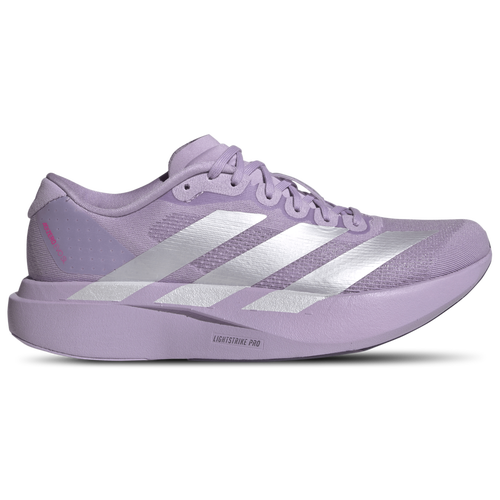
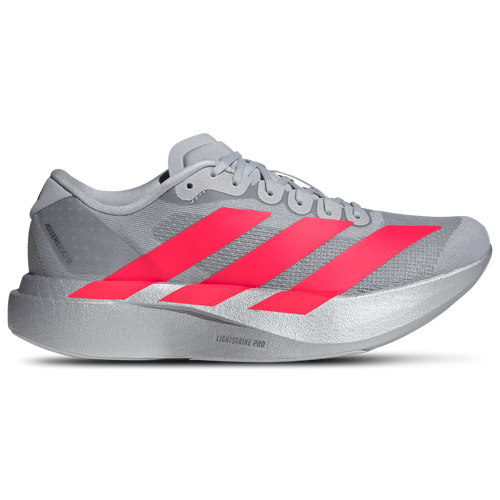
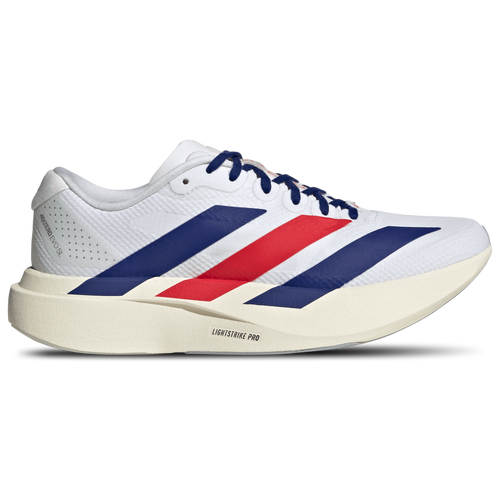
Our Race Marathon Shoes sold out quickly! Explore similar styles now!
Search Results
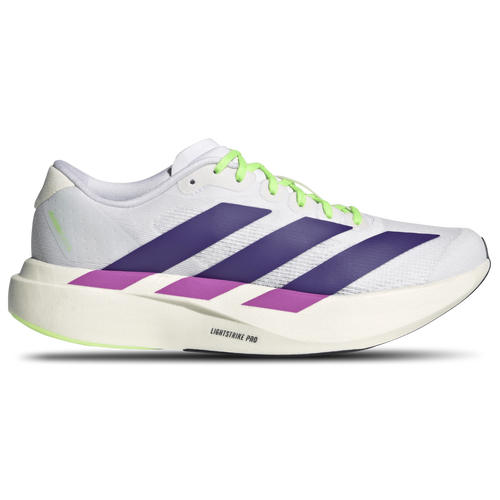
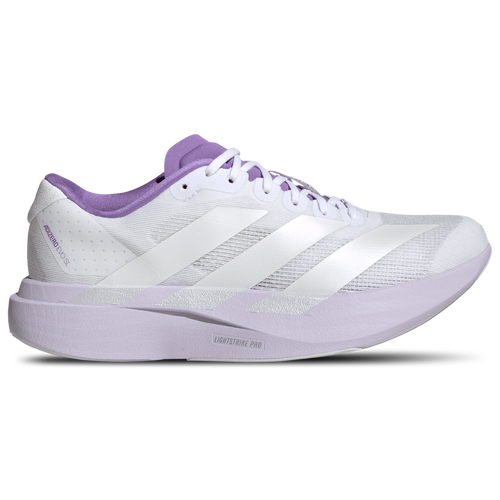
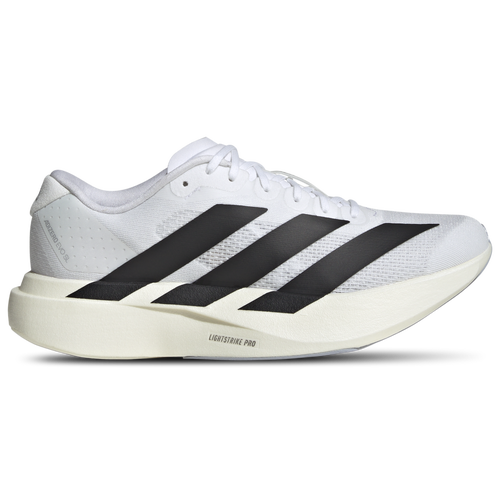
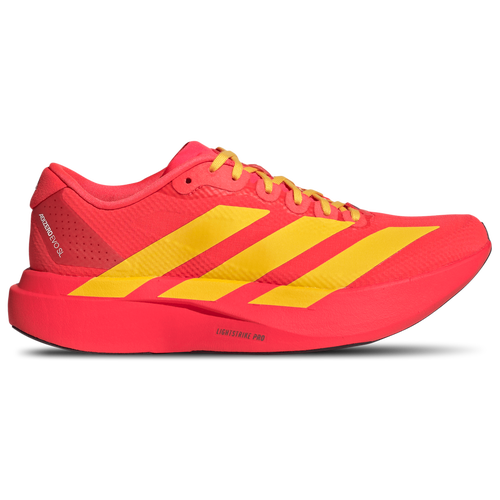
On this page...
- What features should I look for in race marathon shoes?
- Are race marathon shoes designed for specific foot types?
- How much cushioning do race marathon shoes typically have?
- Are race marathon shoes suitable for training as well?
- What is the average weight of race marathon shoes?
- How do I know if race marathon shoes fit properly?
- What materials are commonly used in race marathon shoes?
- When should I replace my race marathon shoes?
- Are there specific race marathon shoes for different weather conditions?
- Can I use race marathon shoes for other sports or activities?
- How do I break in new race marathon shoes?
- What is the drop in race marathon shoes?
Frequently Asked Questions For Race Marathon Shoes
When selecting race marathon shoes, consider features such as lightweight construction, responsive cushioning, and a snug fit. Look for breathable materials to keep your feet cool and dry during long runs. Additionally, a good grip on the outsole is essential for traction on various surfaces.
Yes, race marathon shoes often cater to different foot types, including neutral, overpronation, and underpronation. It's important to choose a shoe that matches your foot's biomechanics to enhance comfort and performance during races. Many retailers offer fitting guides to help you find the right pair.
Race marathon shoes usually feature moderate cushioning to provide a balance between comfort and responsiveness. The amount of cushioning can vary, with some models offering a more minimal feel for speed, while others provide additional support for longer distances. It's best to try on different styles to find what feels right for you.
While race marathon shoes are primarily designed for racing, many runners use them for training as well. However, they may not offer the same level of durability and support as traditional training shoes. It's advisable to alternate between race shoes and training shoes to prolong their lifespan and maintain optimal performance.
The average weight of race marathon shoes typically ranges from 6 to 10 ounces, depending on the design and materials used. Lighter shoes are favored for racing, as they can enhance speed and reduce fatigue. However, finding the right balance between weight and comfort is crucial for optimal performance.
A proper fit for race marathon shoes should feel snug but not overly tight, with about a thumb's width of space between your longest toe and the front of the shoe. Your heel should stay in place without slipping during movement. It's also important to try them on with the socks you plan to wear during races.
Race marathon shoes are often made from lightweight synthetic materials, mesh uppers for breathability, and responsive foam for cushioning. The outsoles are typically crafted from durable rubber or specialized compounds to provide traction and flexibility. These materials work together to enhance performance and comfort.
It's generally recommended to replace race marathon shoes every 300 to 500 miles, depending on your running style and the shoe's construction. Signs of wear, such as reduced cushioning, visible damage, or discomfort during runs, indicate that it may be time for a new pair. Regularly assessing your shoes can help maintain optimal performance.
Yes, some race marathon shoes are designed with specific weather conditions in mind. For instance, shoes with water-resistant materials are suitable for wet conditions, while those with enhanced breathability are ideal for hot weather. It's important to choose a shoe that fits the climate you'll be racing in for optimal comfort.
While race marathon shoes are optimized for running, they may not provide the support or stability needed for other sports or activities. If you're engaging in cross-training or sports that require lateral movements, it's best to use shoes specifically designed for those activities to avoid injury and enhance performance.
To break in new race marathon shoes, start by wearing them for short distances during easy runs or walks. Gradually increase the distance over a week or two to allow the materials to adapt to your foot shape. This process helps ensure comfort and reduces the risk of blisters during races.
The drop in race marathon shoes refers to the difference in height between the heel and the forefoot. Most racing shoes have a drop ranging from 0 to 10 millimeters, with lower drops promoting a more natural running style. Choosing the right drop can influence your running mechanics and comfort during races.
About Race Marathon Shoes
Elevate your running experience with our collection of race marathon shoes, designed for speed and comfort. These shoes feature lightweight materials and responsive cushioning, ensuring you can maintain your pace without sacrificing support. Whether you're training for your next marathon or competing, our selection provides the perfect blend of performance and durability to help you achieve your goals.
Engineered for optimal breathability and a secure fit, these marathon shoes will keep your feet feeling fresh mile after mile. With advanced traction patterns and innovative designs, you can tackle any terrain with confidence. Step into your next race equipped with the best footwear to enhance your performance and cross the finish line strong.