
Shoes for Long Runs
Showing 1 - 48 of 143 results
Our Shoes for Long Runs sold out quickly! Explore similar styles now!
Search Results
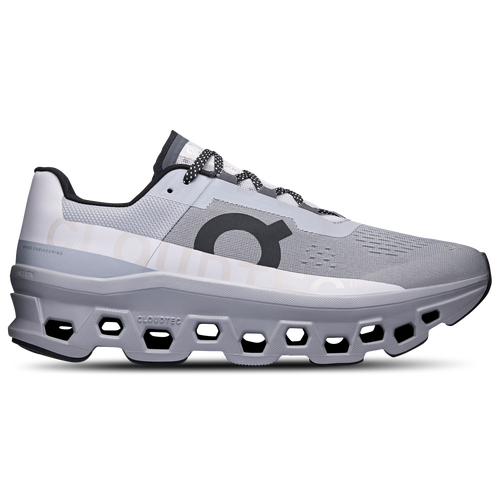
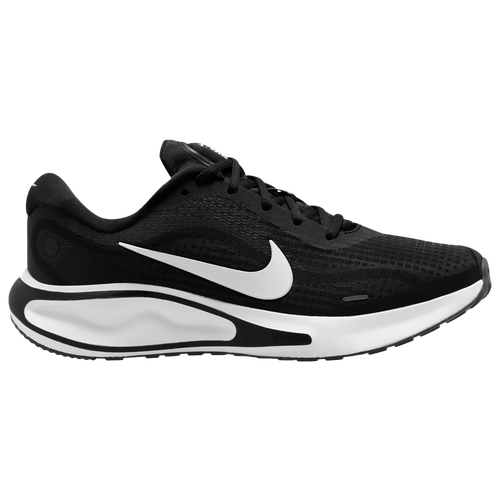
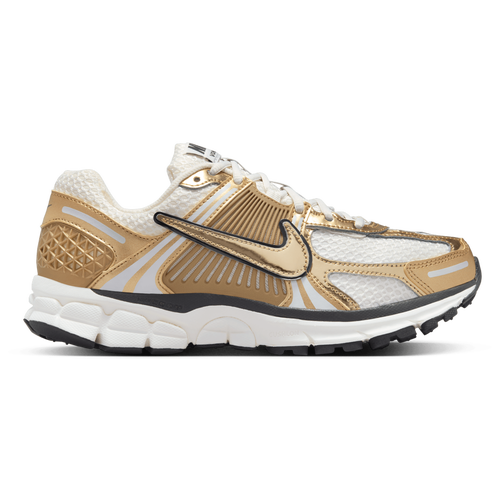
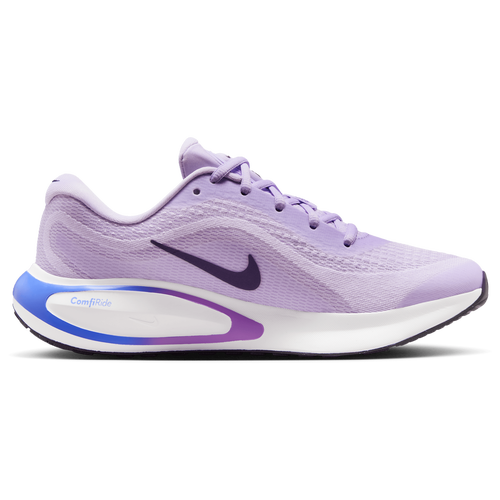
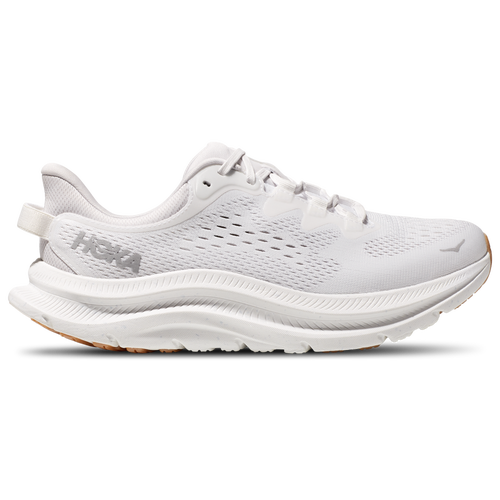
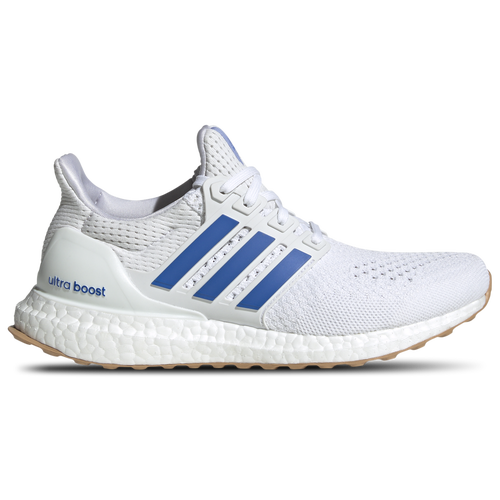
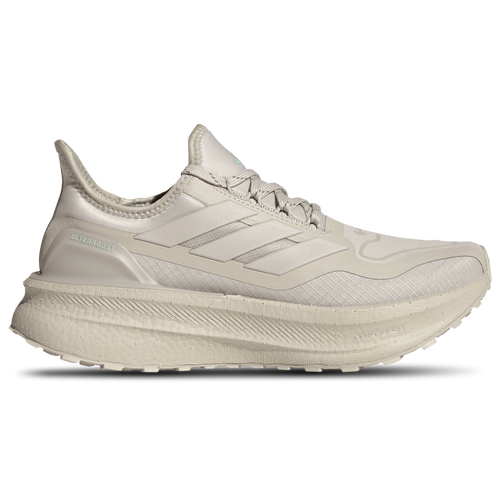
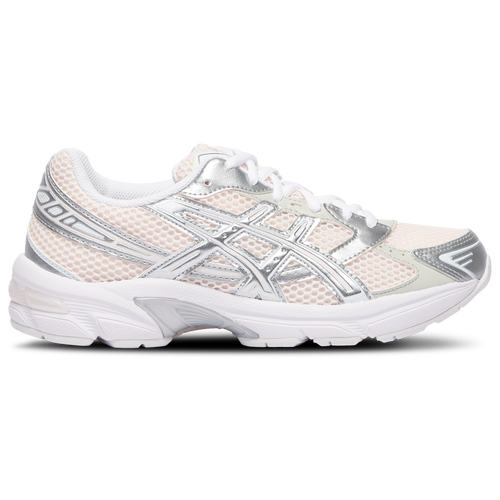
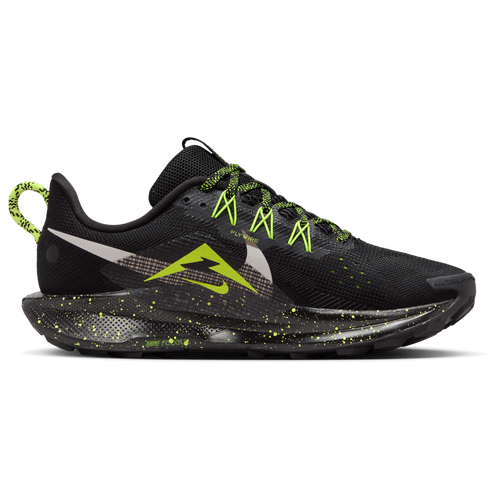
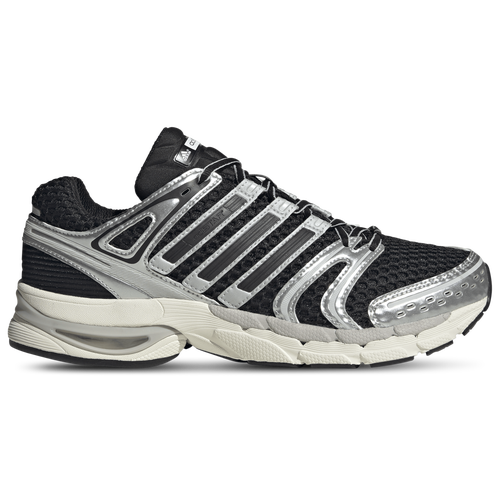
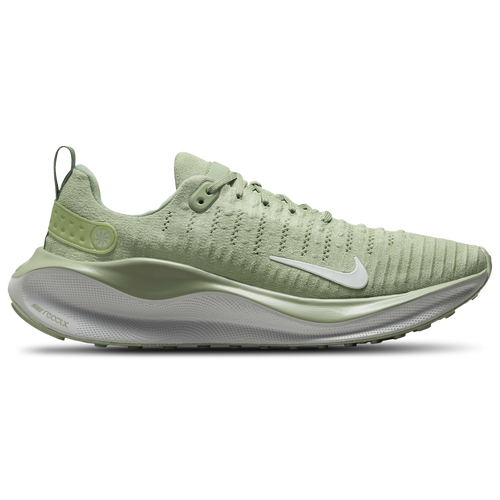
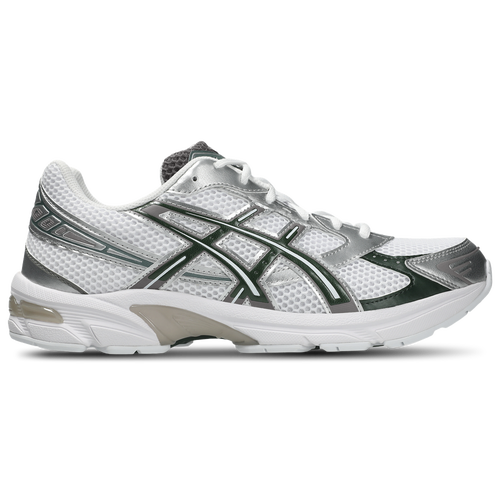
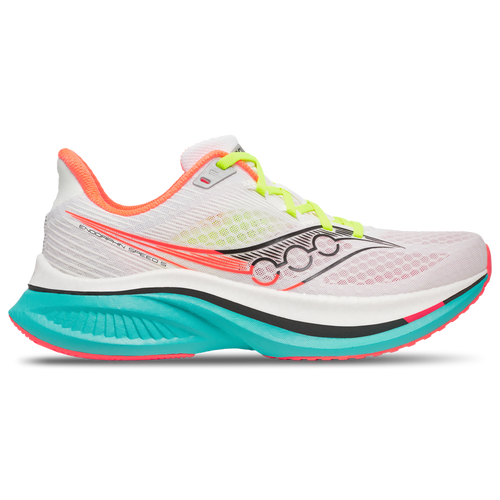
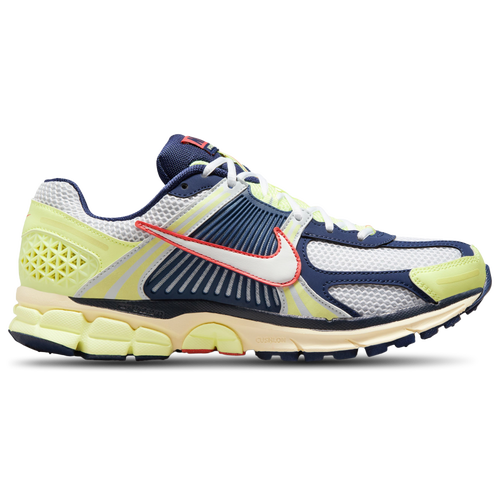
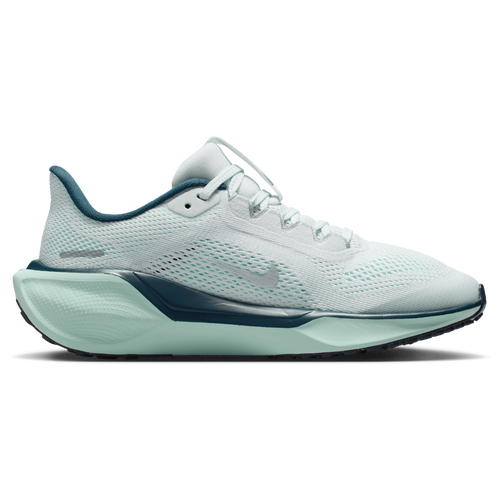
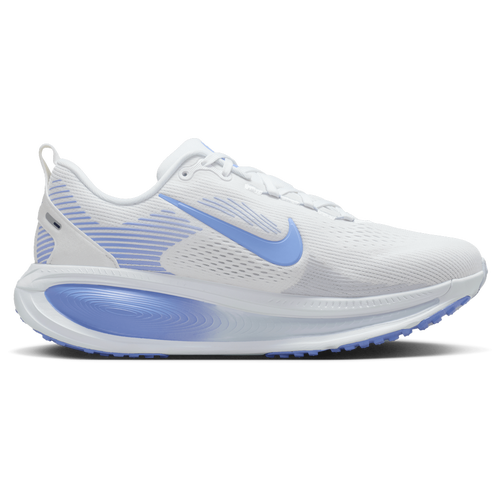
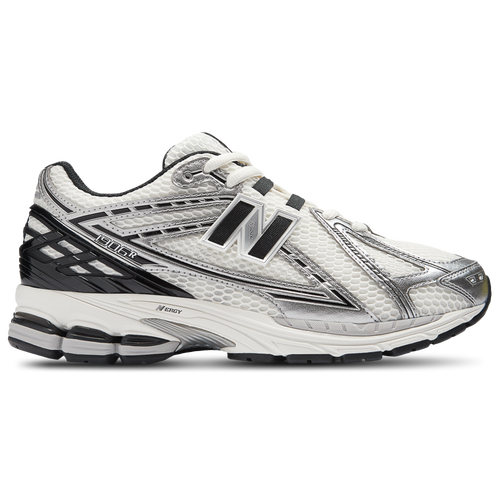
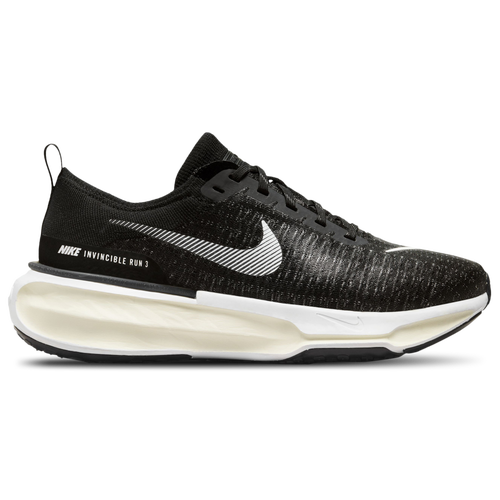
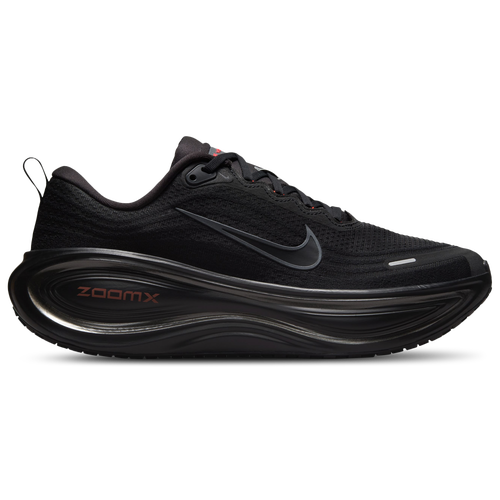
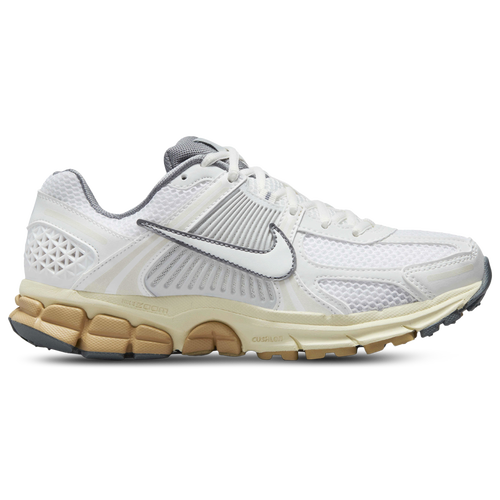
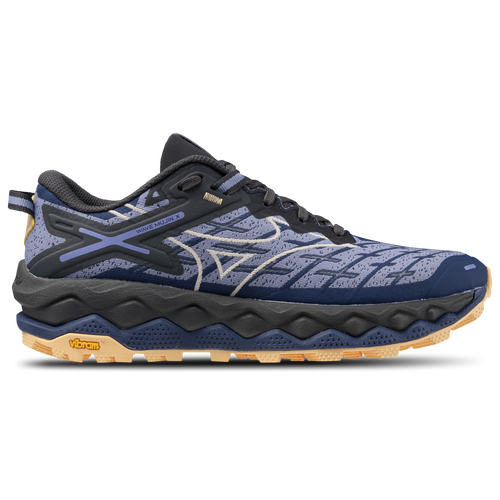
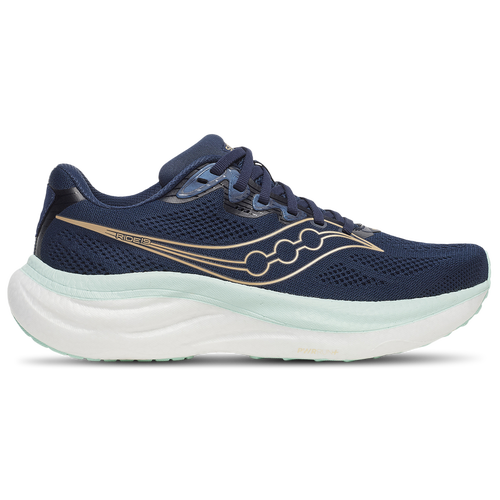
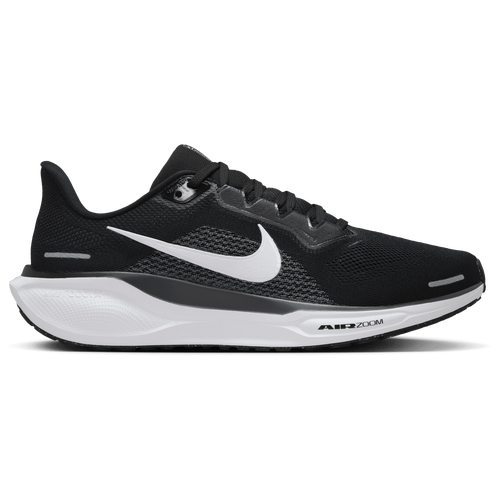
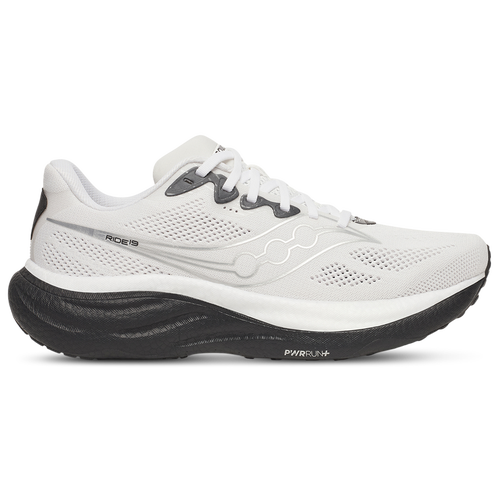
On this page...
- What features should I look for in shoes for long runs?
- Are shoes for long runs different from regular running shoes?
- How do I determine my correct shoe size for long runs?
- Are there specific types of shoes recommended for trail running?
- How much cushioning do I need in shoes for long runs?
- Can I use shoes for long runs for other types of workouts?
- How often should I replace my shoes for long runs?
- Are there shoes for long runs that accommodate wide feet?
- What is the difference between neutral and stability shoes for long runs?
- Are there shoes for long runs that are lightweight?
- What materials are commonly used in shoes for long runs?
- When is the best time to try on shoes for long runs?
- How do I break in new shoes for long runs?
Frequently Asked Questions For Shoes for Long Runs
When selecting shoes for long runs, prioritize cushioning, support, and breathability. Look for models that offer ample padding in the midsole to absorb impact, as well as a supportive upper that keeps your foot secure. Additionally, a breathable mesh material can help keep your feet cool during extended wear.
Yes, shoes designed specifically for long runs typically have enhanced cushioning and support to accommodate the increased distance and impact. They often feature a more durable outsole to withstand wear over time and provide a comfortable fit for prolonged periods of running.
To find your correct shoe size for long runs, measure your foot length and width, preferably at the end of the day when your feet are slightly swollen. It's also beneficial to try on shoes with the socks you plan to wear during your runs, ensuring there is enough space in the toe box for comfort.
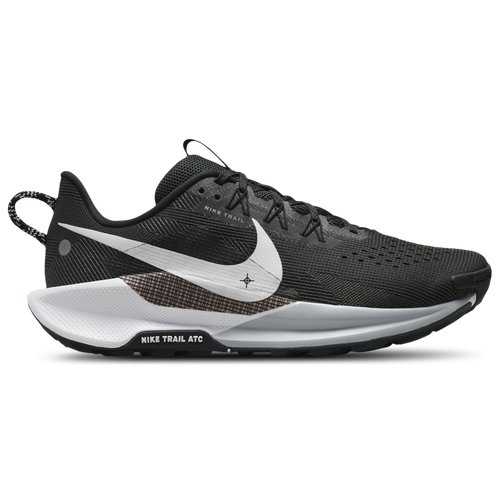
Yes, trail running shoes are designed with features that enhance grip and stability on uneven surfaces. They typically have a more aggressive outsole for traction, a reinforced toe cap for protection, and a durable upper to withstand the rigors of outdoor terrain.
The amount of cushioning needed in shoes for long runs varies based on personal preference and running style. Generally, more cushioning can provide better shock absorption, which is beneficial for longer distances, while some runners may prefer a firmer feel for better ground contact.
While shoes designed for long runs can be versatile, they may not be ideal for all types of workouts. They are best suited for running due to their specific cushioning and support features, but may not provide the stability needed for activities like weightlifting or high-intensity training.
It is generally recommended to replace shoes for long runs every 300 to 500 miles, depending on the shoe's construction and your running style. Signs that it's time for a replacement include decreased cushioning, visible wear on the outsole, and discomfort during runs.
Yes, many brands offer shoes for long runs in wide sizes to accommodate runners with broader feet. Look for models specifically labeled as "wide" or "extra wide," which provide additional room in the toe box and midfoot for a more comfortable fit.
Neutral shoes are designed for runners with a natural gait and provide cushioning without added support, while stability shoes offer extra support for those who overpronate or need help maintaining proper alignment. Choosing the right type depends on your running style and foot mechanics.
Yes, there are lightweight options available for long runs that provide adequate cushioning without adding unnecessary weight. These shoes typically feature a streamlined design and materials that enhance breathability, making them suitable for runners looking to maintain speed over longer distances.
Shoes for long runs are often made from a combination of synthetic mesh, foam cushioning, and rubber outsoles. The mesh upper allows for breathability, while the foam midsole provides shock absorption, and the rubber outsole offers traction and durability on various surfaces.
The best time to try on shoes for long runs is at the end of the day when your feet are slightly swollen. This helps ensure a proper fit, as your feet can expand during the day, and allows you to assess comfort and support accurately.
To break in new shoes for long runs, start by wearing them for short distances to allow your feet to adjust to the fit and feel. Gradually increase your mileage over several runs, paying attention to any discomfort, and ensure that the shoes provide adequate support throughout the process.
About Shoes for Long Runs
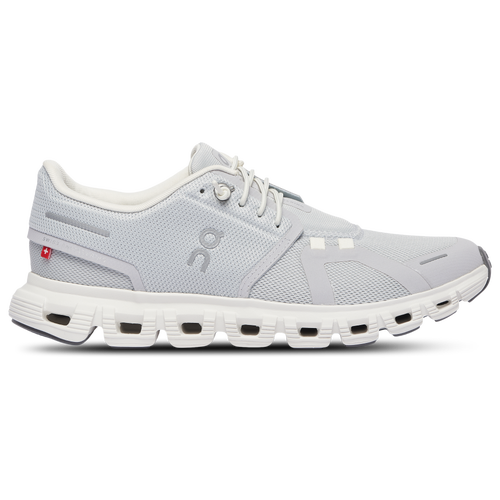
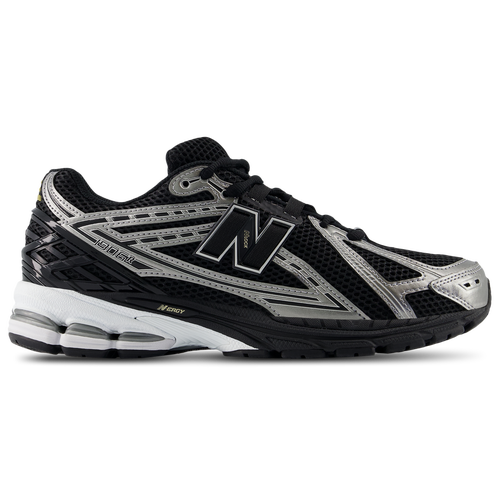
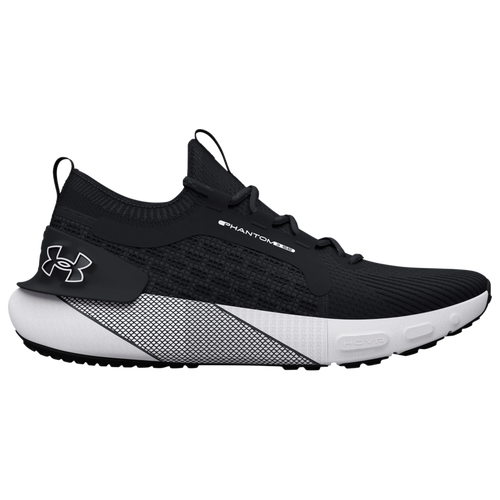
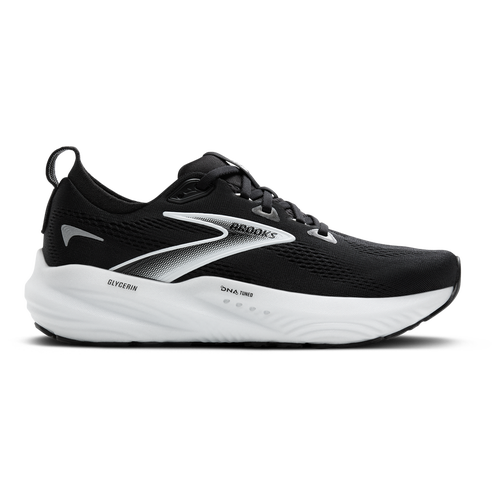
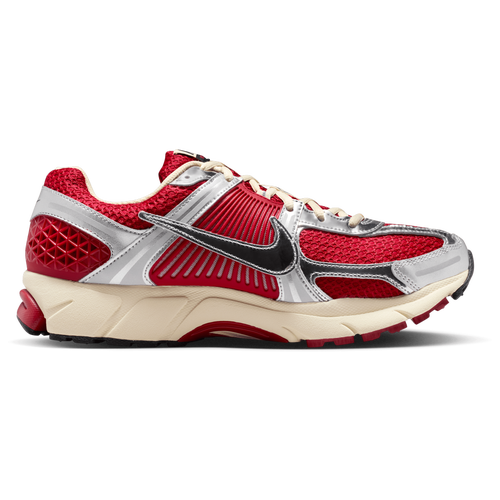
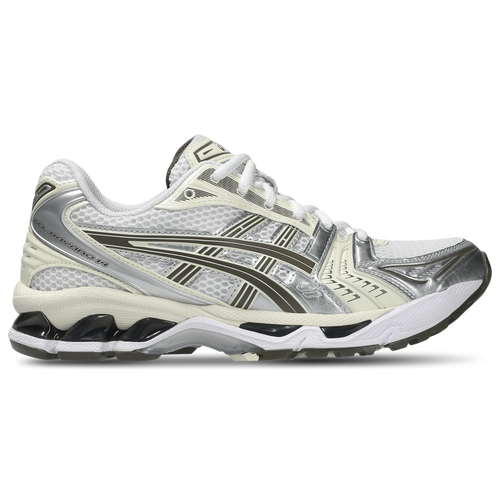
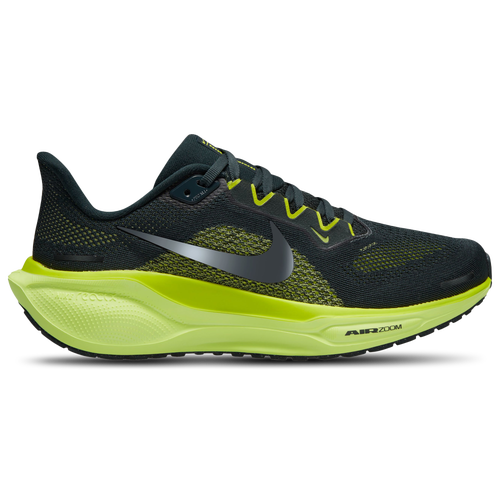
Discover the ultimate footwear designed specifically for long-distance running. Our collection of shoes for long runs features advanced cushioning and support to keep your feet comfortable mile after mile. Engineered with breathable materials, these shoes ensure optimal ventilation, reducing the risk of overheating during your longest workouts.
Each pair is crafted with lightweight construction and responsive technology, providing a smooth and efficient stride. Whether you're training for a marathon or enjoying a leisurely jog, our selection offers the perfect balance of durability and flexibility, helping you achieve your running goals with ease.