
Sprint Training Shoes
Showing 1 - 34 of 34 results
Our Sprint Training Shoes sold out quickly! Explore similar styles now!
Search Results
On this page...
- What features should I look for in sprint training shoes?
- Are sprint training shoes suitable for all types of running?
- How do I determine the right size for sprint training shoes?
- Are sprint training shoes different from regular running shoes?
- Can I use sprint training shoes for other sports?
- What materials are commonly used in sprint training shoes?
- How often should I replace my sprint training shoes?
- Are sprint training shoes good for indoor track use?
- What is the difference between sprint training shoes and spikes?
- How do I break in new sprint training shoes?
- Are there specific sprint training shoes for different foot types?
- When were sprint training shoes first introduced?
Frequently Asked Questions For Sprint Training Shoes
When selecting sprint training shoes, look for lightweight materials that provide breathability and flexibility. A snug fit is essential to ensure stability during quick movements, while a responsive cushioning system can help absorb impact and enhance energy return. Additionally, a durable outsole with good traction will improve grip on various surfaces.
Sprint training shoes are specifically designed for short-distance, high-intensity running, making them ideal for sprinters. However, they may not provide the necessary support and cushioning for long-distance running. If you plan to run longer distances, consider shoes designed for endurance running instead.
To find the right size for sprint training shoes, measure your foot length and width, and consult the sizing chart provided by the retailer. It's important to try on the shoes while wearing the socks you plan to use during training. Ensure there is a thumb's width of space between your longest toe and the front of the shoe for comfort.
Yes, sprint training shoes differ from regular running shoes in several ways. They are typically lighter, with a lower profile and less cushioning to promote speed and agility. The outsole is designed for maximum traction and grip, which is crucial for explosive starts and quick acceleration.
Sprint training shoes can be used for sports that require quick bursts of speed and agility, such as basketball or soccer. However, they may not provide the necessary support and cushioning for sports that involve lateral movements or longer durations of activity. It's best to choose footwear specifically designed for each sport for optimal performance.
Sprint training shoes are often made from lightweight synthetic materials, mesh for breathability, and rubber for the outsole. These materials help reduce weight while providing necessary support and traction. Some models may also incorporate advanced technologies for enhanced performance and comfort.
It's generally recommended to replace sprint training shoes every 300 to 500 miles, depending on usage and wear. Regularly inspecting the shoes for signs of wear, such as worn-out outsoles or loss of cushioning, can help determine when it's time for a new pair. Proper care and maintenance can also extend their lifespan.
Yes, sprint training shoes are suitable for indoor track use, as they provide the necessary grip and support for quick sprints on smooth surfaces. Their lightweight design allows for optimal speed, making them a great choice for indoor training sessions. Just ensure that the outsole is appropriate for the specific indoor surface.
Sprint training shoes are designed for comfort and support during training, while spikes are specifically engineered for competitive sprinting on tracks. Spikes feature metal or plastic spikes on the outsole for enhanced traction, whereas sprint training shoes typically have a flat or slightly textured outsole for versatility in training environments.
To break in new sprint training shoes, start by wearing them for short periods during light activities. Gradually increase the duration and intensity of use over several days to allow the materials to adapt to your foot shape. This process helps prevent discomfort and ensures a better fit during training sessions.
Yes, there are sprint training shoes designed to accommodate various foot types, including neutral, overpronated, and underpronated feet. It's important to identify your foot type and select shoes that offer the appropriate support and stability to enhance performance and reduce the risk of injury.
Sprint training shoes have evolved significantly over the decades, with their origins tracing back to the early 20th century. Initially designed for track athletes, advancements in technology and materials have led to the modern versions we see today, which focus on enhancing speed, comfort, and performance for sprinters.
About Sprint Training Shoes
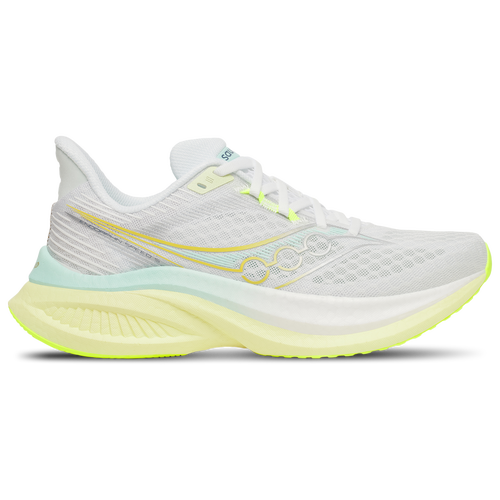
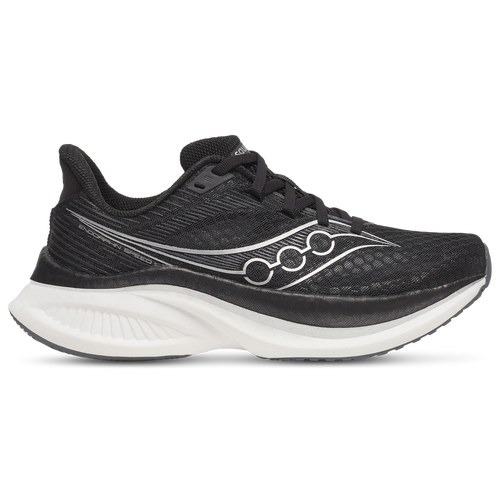
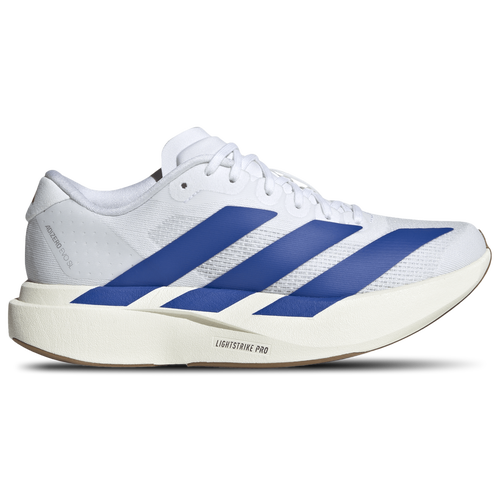
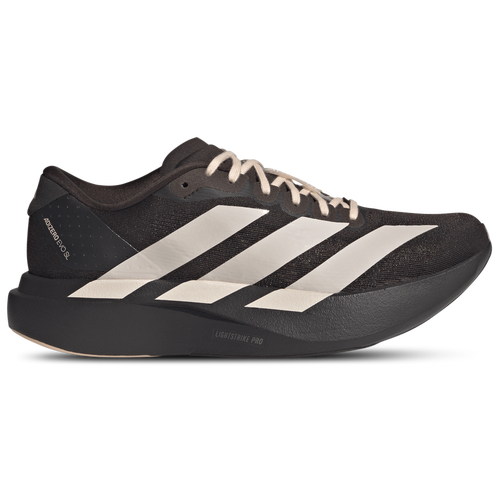
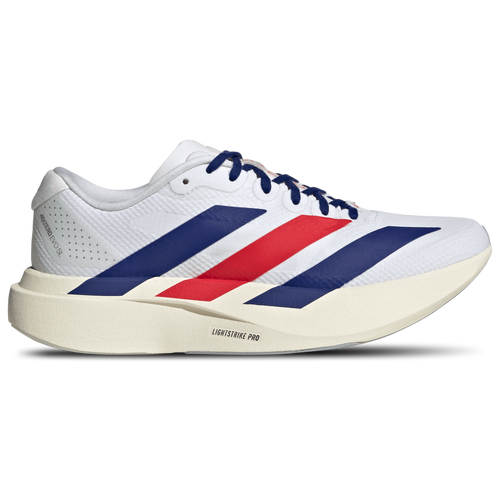
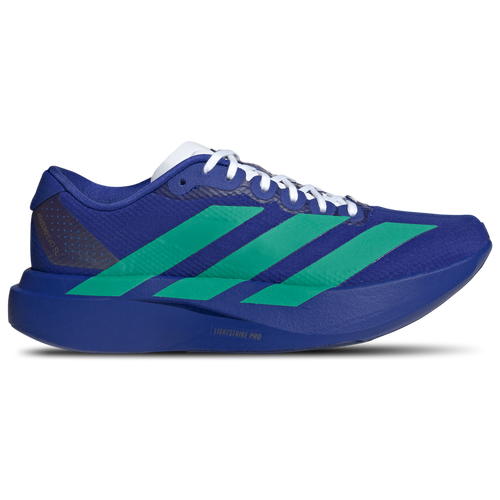
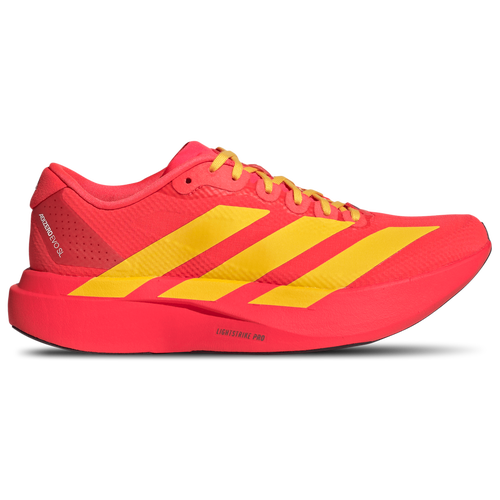
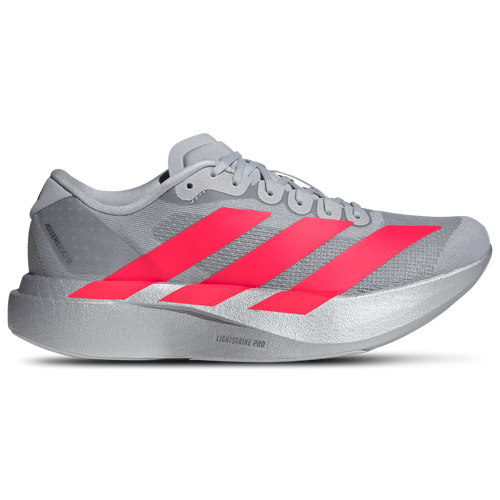
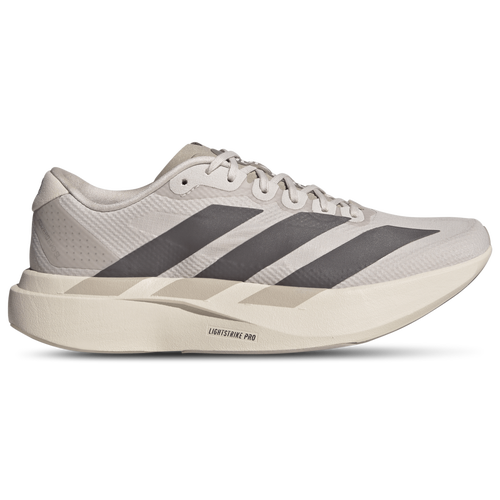
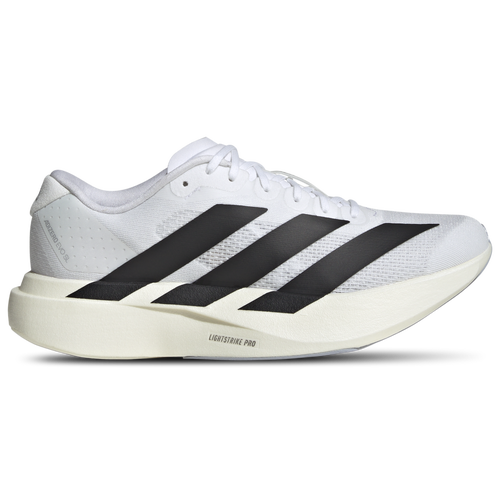
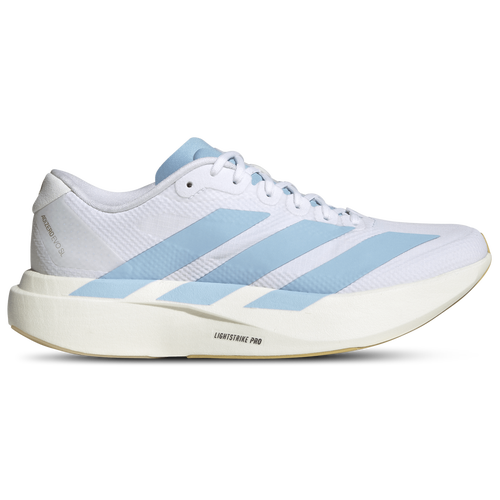
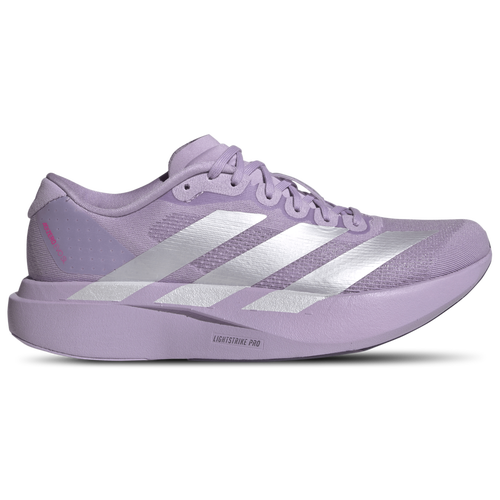
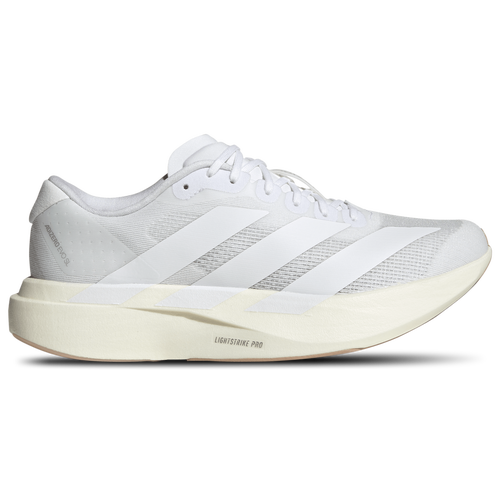
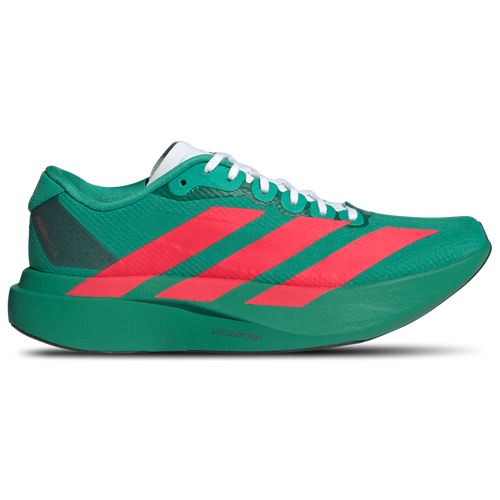
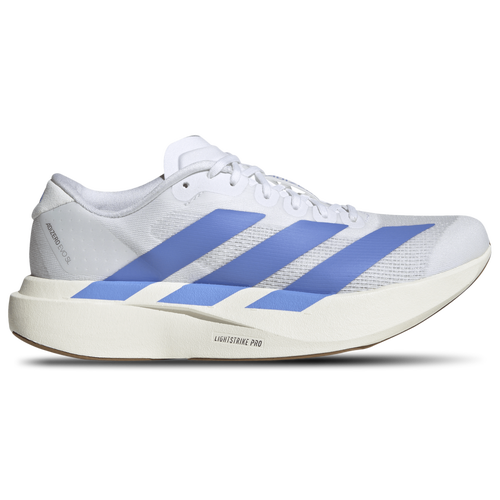
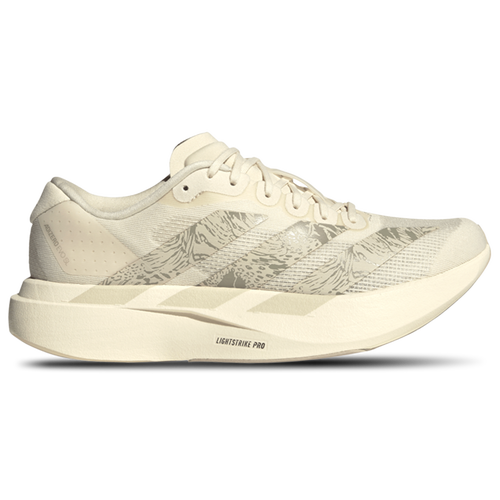
Elevate your performance with our collection of sprint training shoes, designed for speed and agility. These shoes feature lightweight materials and responsive cushioning to help you achieve your best times on the track. With a focus on stability and support, they ensure you can push your limits while maintaining comfort during intense workouts.
Our sprint training shoes also offer superior traction, allowing for quick starts and powerful sprints. Engineered for optimal fit and breathability, they keep your feet cool and secure, no matter the distance. Whether you're a seasoned athlete or just starting out, these shoes are essential for enhancing your training regimen and achieving your sprinting goals.